Skip to content
KUNTA KINTE

Enter

Labseighttweentysix

An archive of memory.

LABSEIGHTTWEENTYSIX preserves stories, places, people and memories connected to African history and the transatlantic slave trade.

Move through it chapter by chapter, at your own pace.

This archive includes accounts of capture, enslavement and violence.

Begin the journey

Inside the museum

World History at a Glance: Africa

A chronological journey through African history, from ancient civilizations to the modern era.

Explore African history
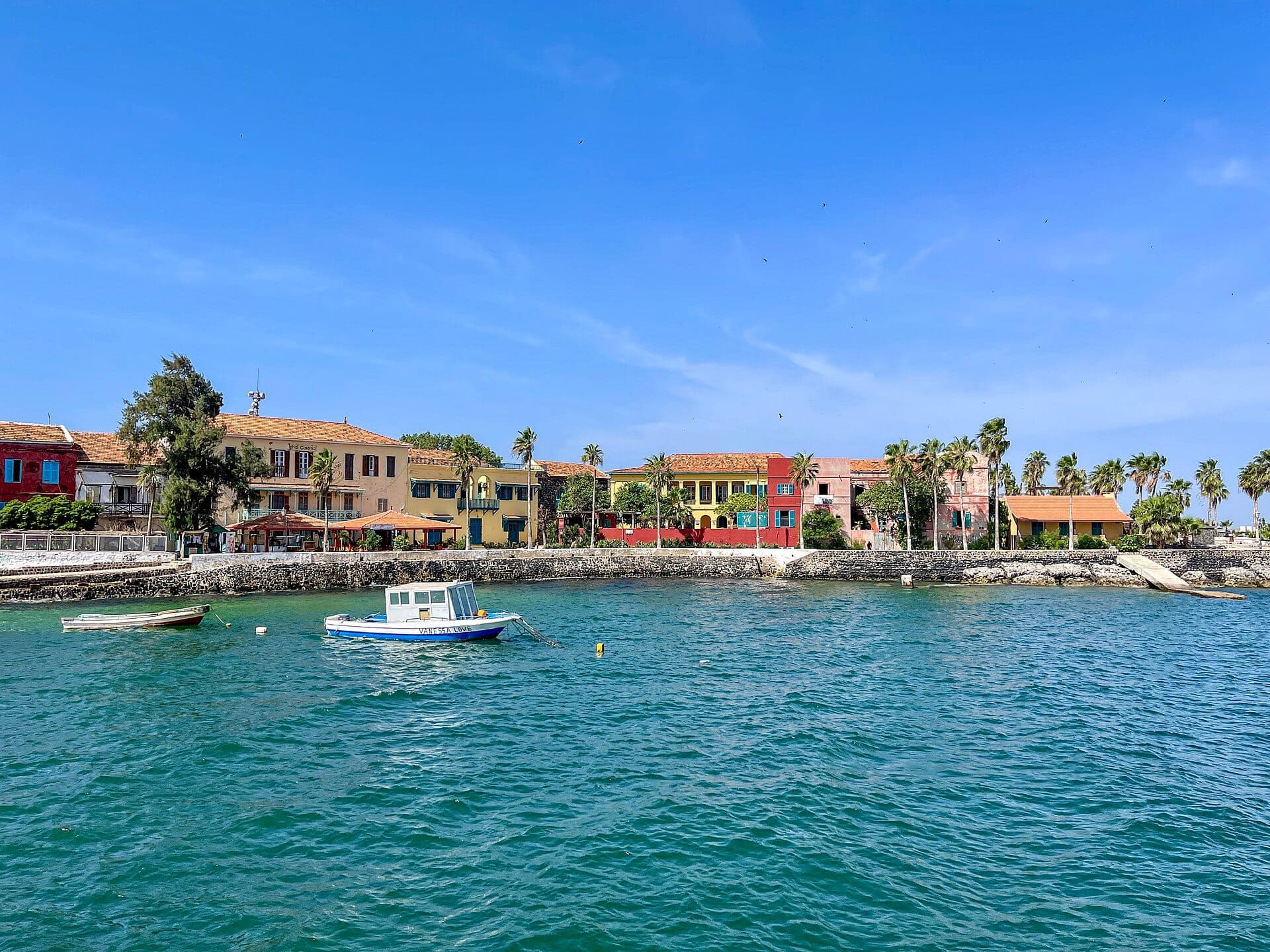
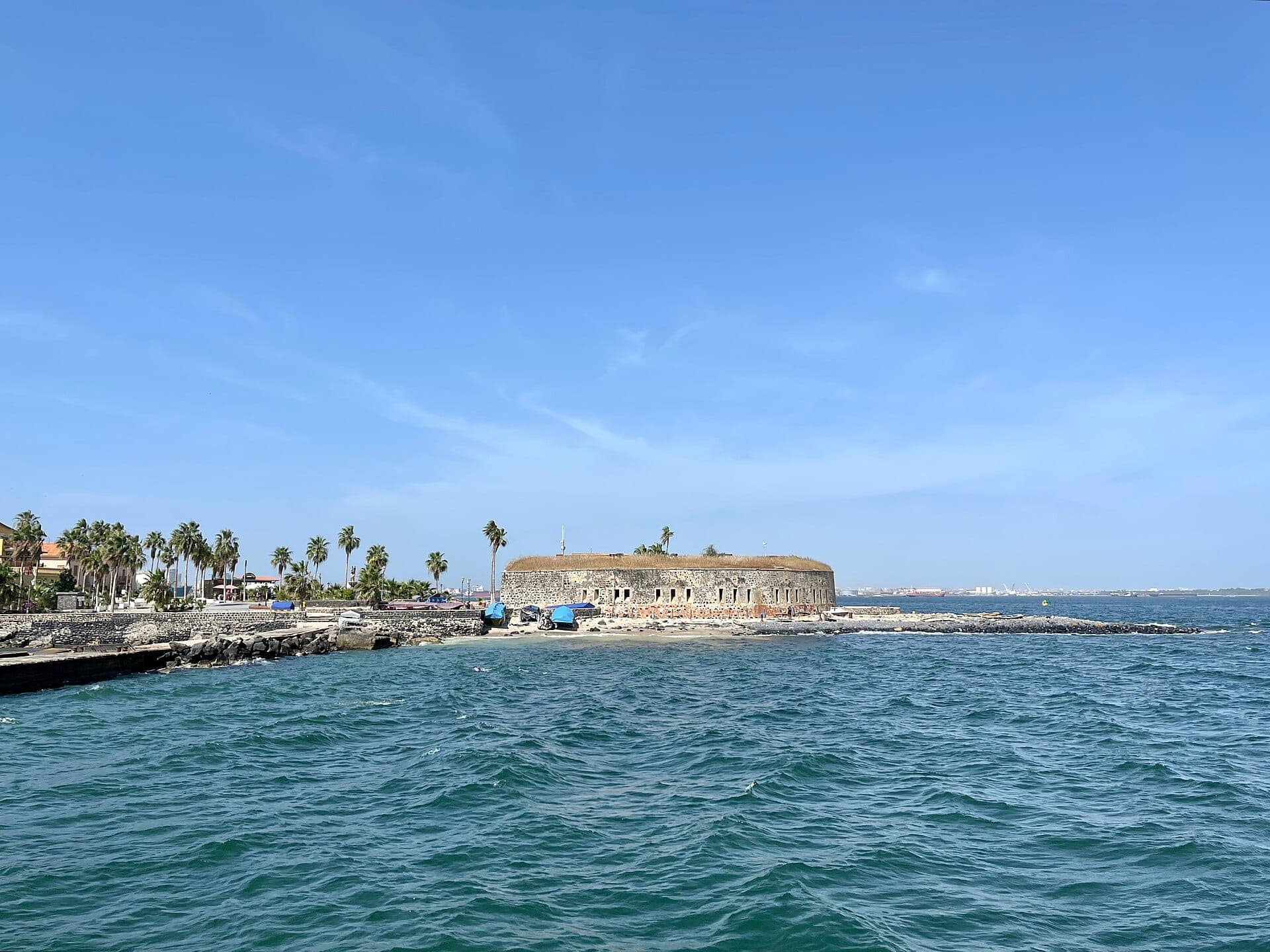
The coast of Gorée Island, seen from the Atlantic Ocean.

Labseighttweentysix

01 / 14

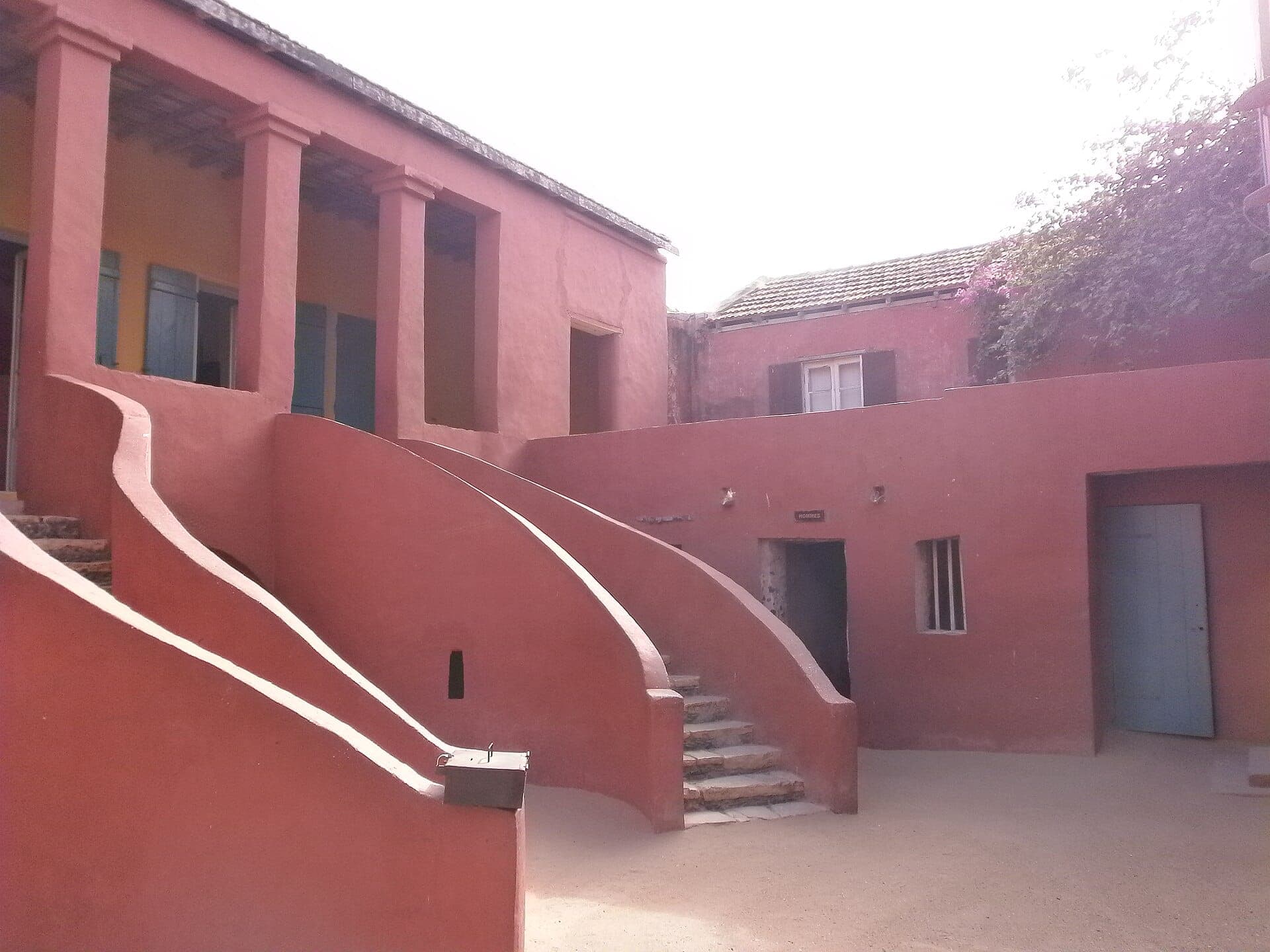
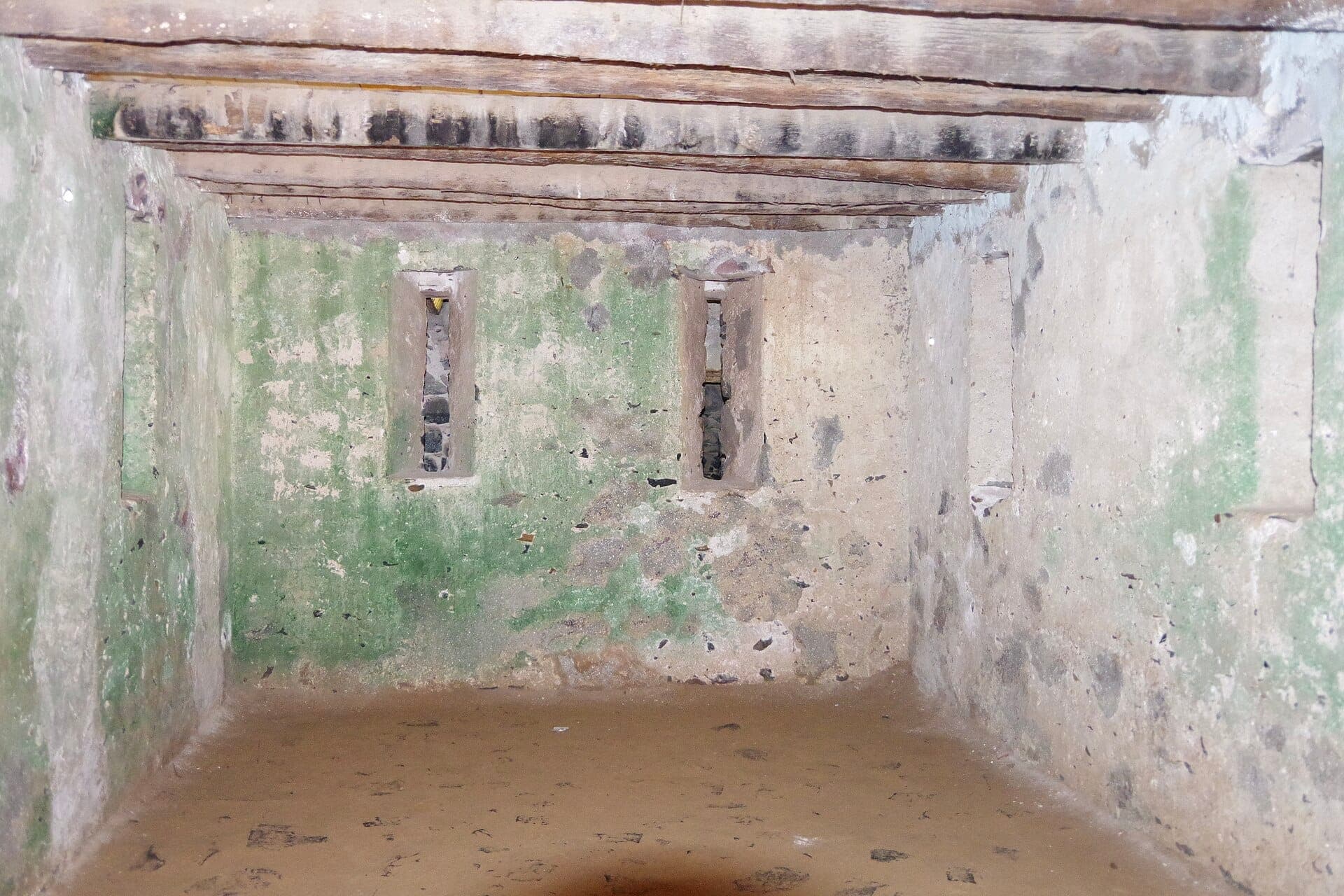
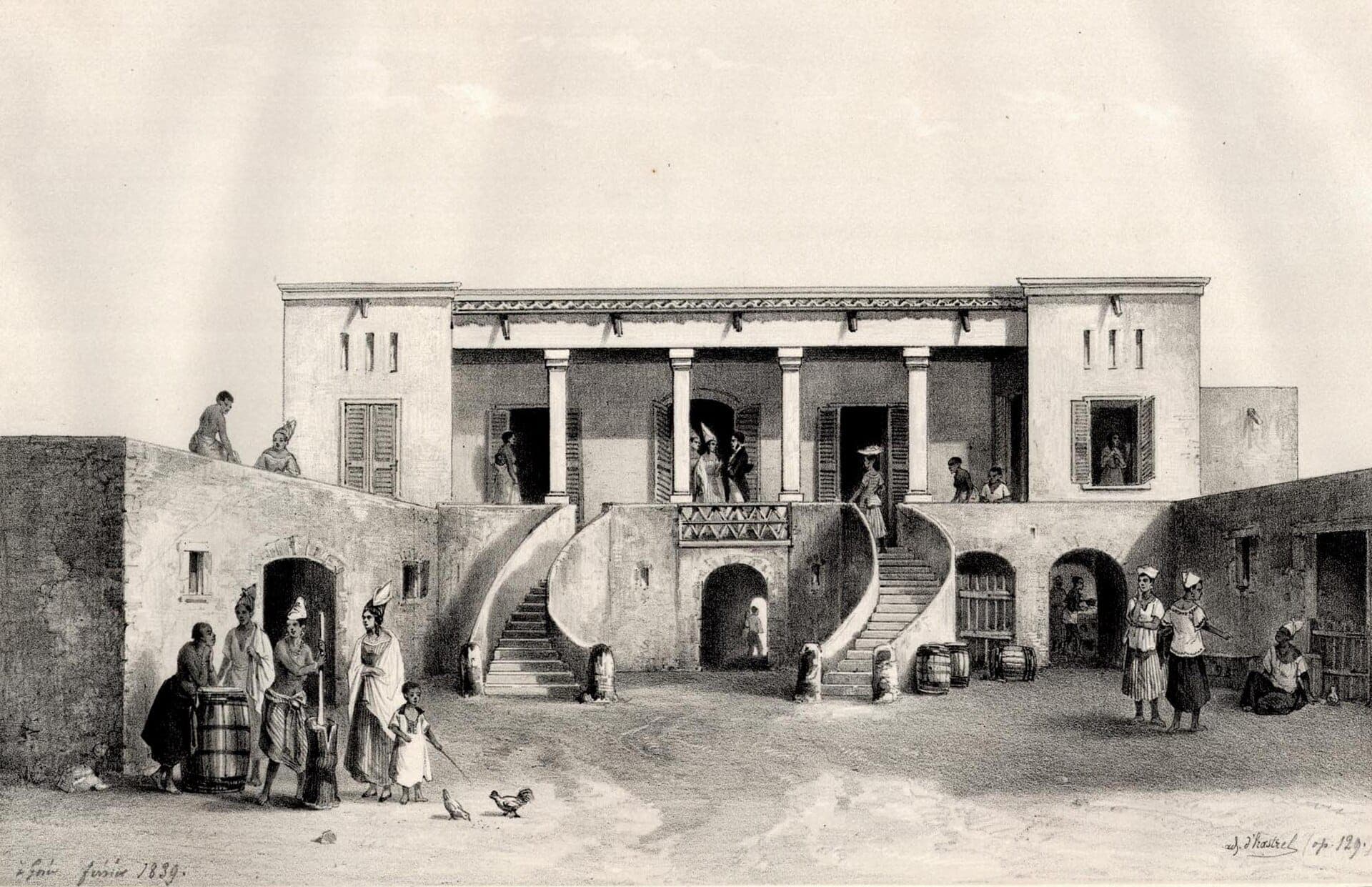
Gorée Island

Dakar, Senegal

An island off the coast of Dakar. Gorée is a UNESCO World Heritage Site, remembered around the world as a symbol of the Atlantic slave trade.

Gallery 01 / 05

Sources

  • Documented history: UNESCO World Heritage List: Island of Gorée.
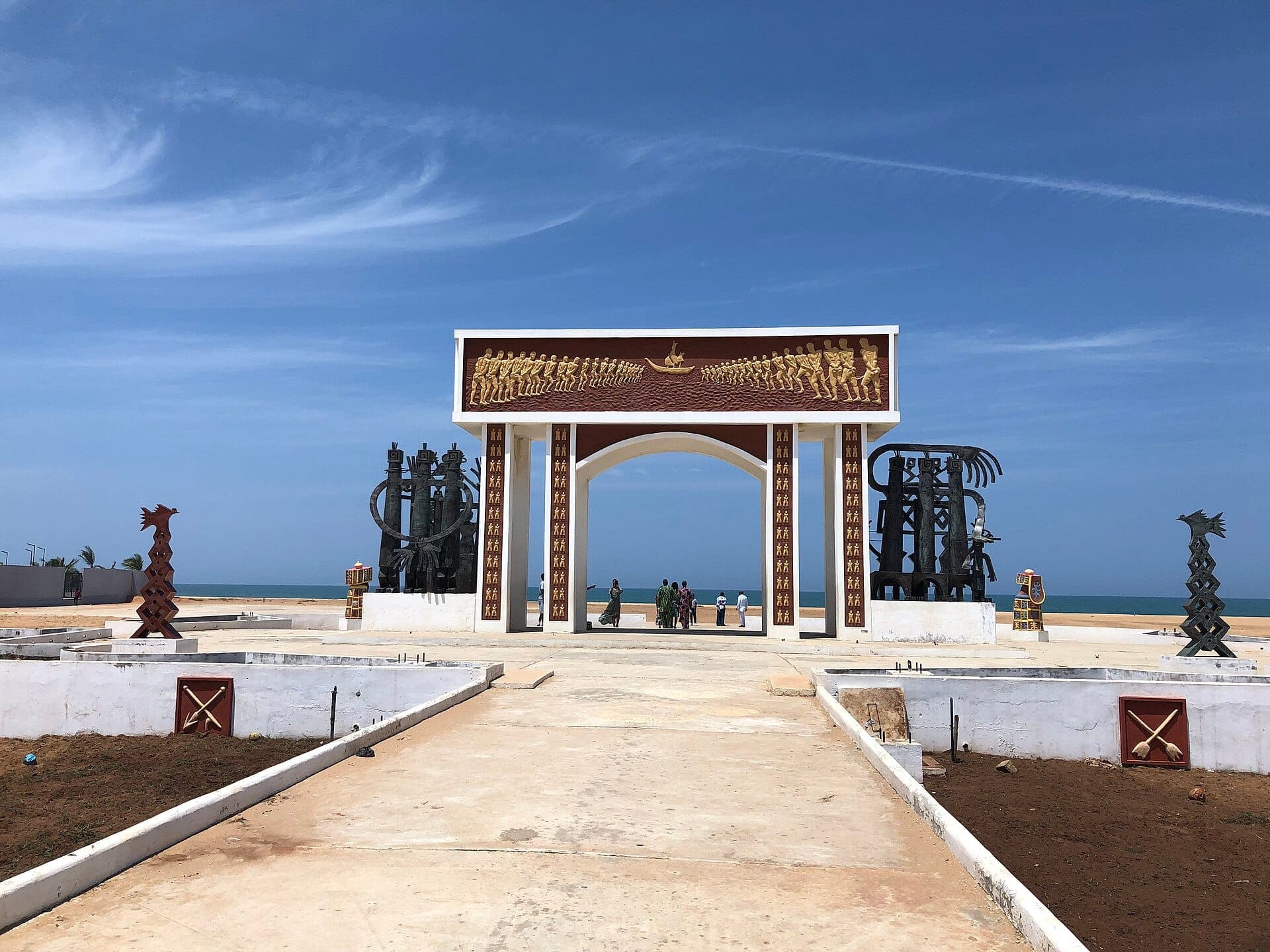
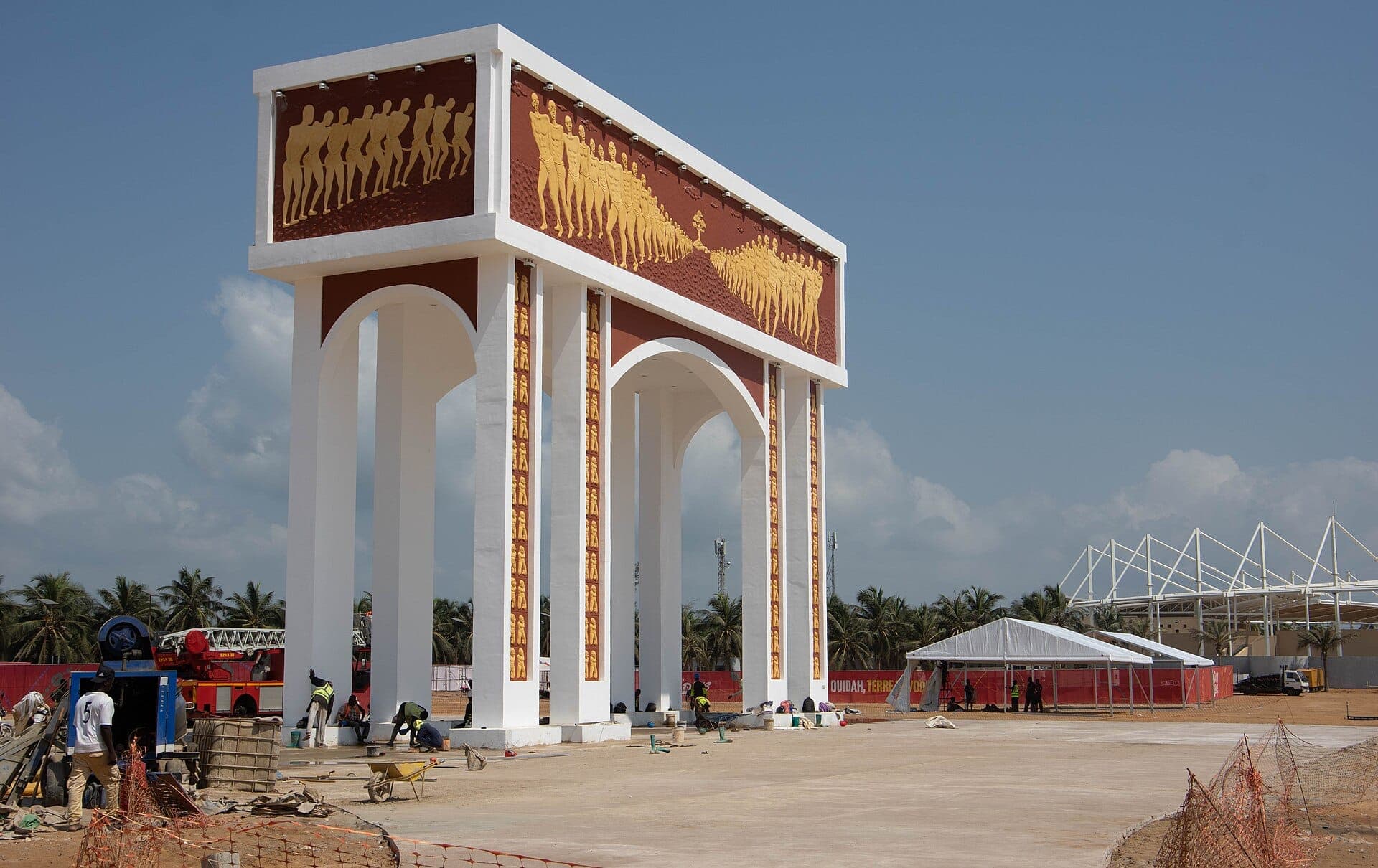
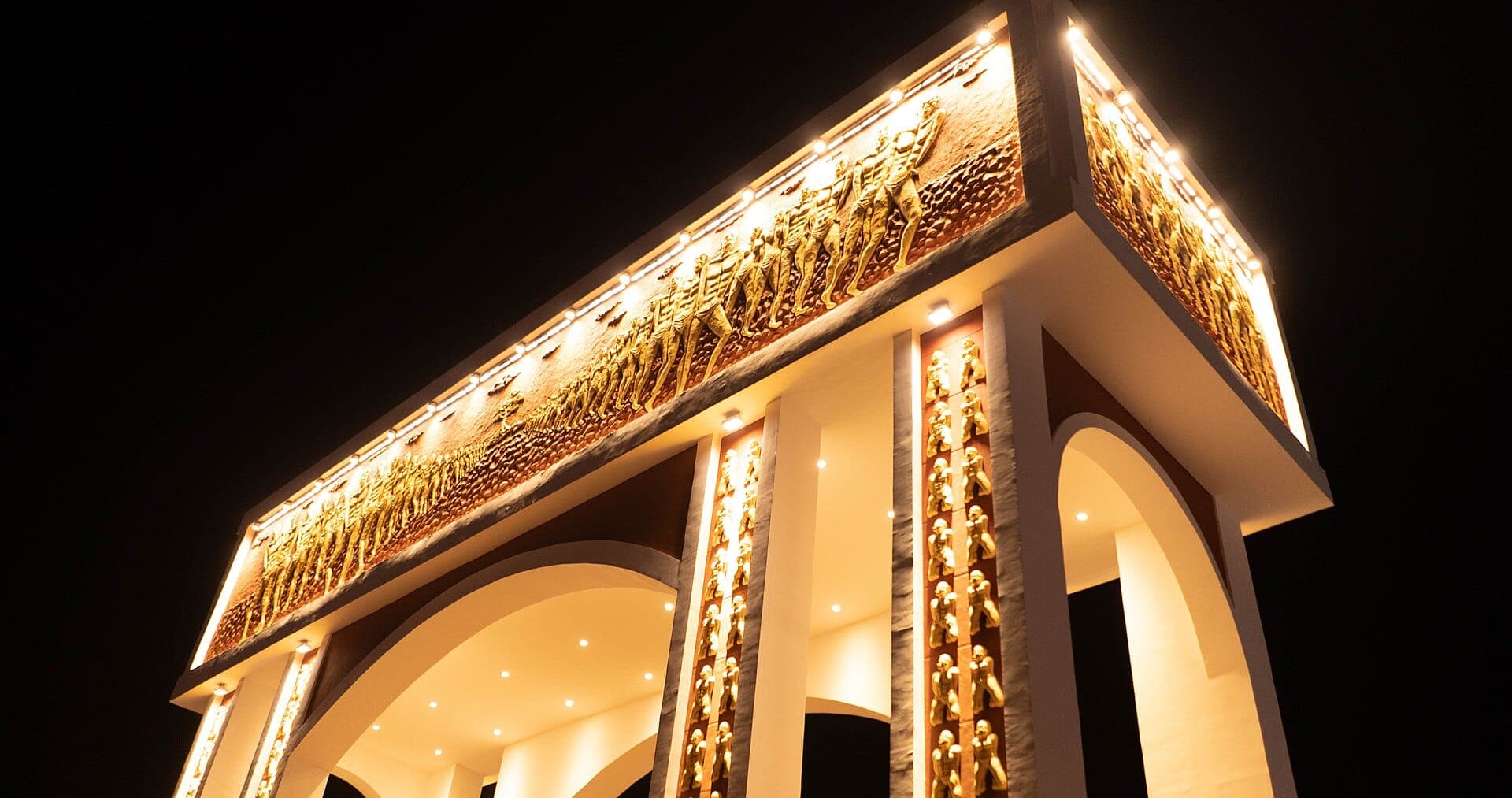
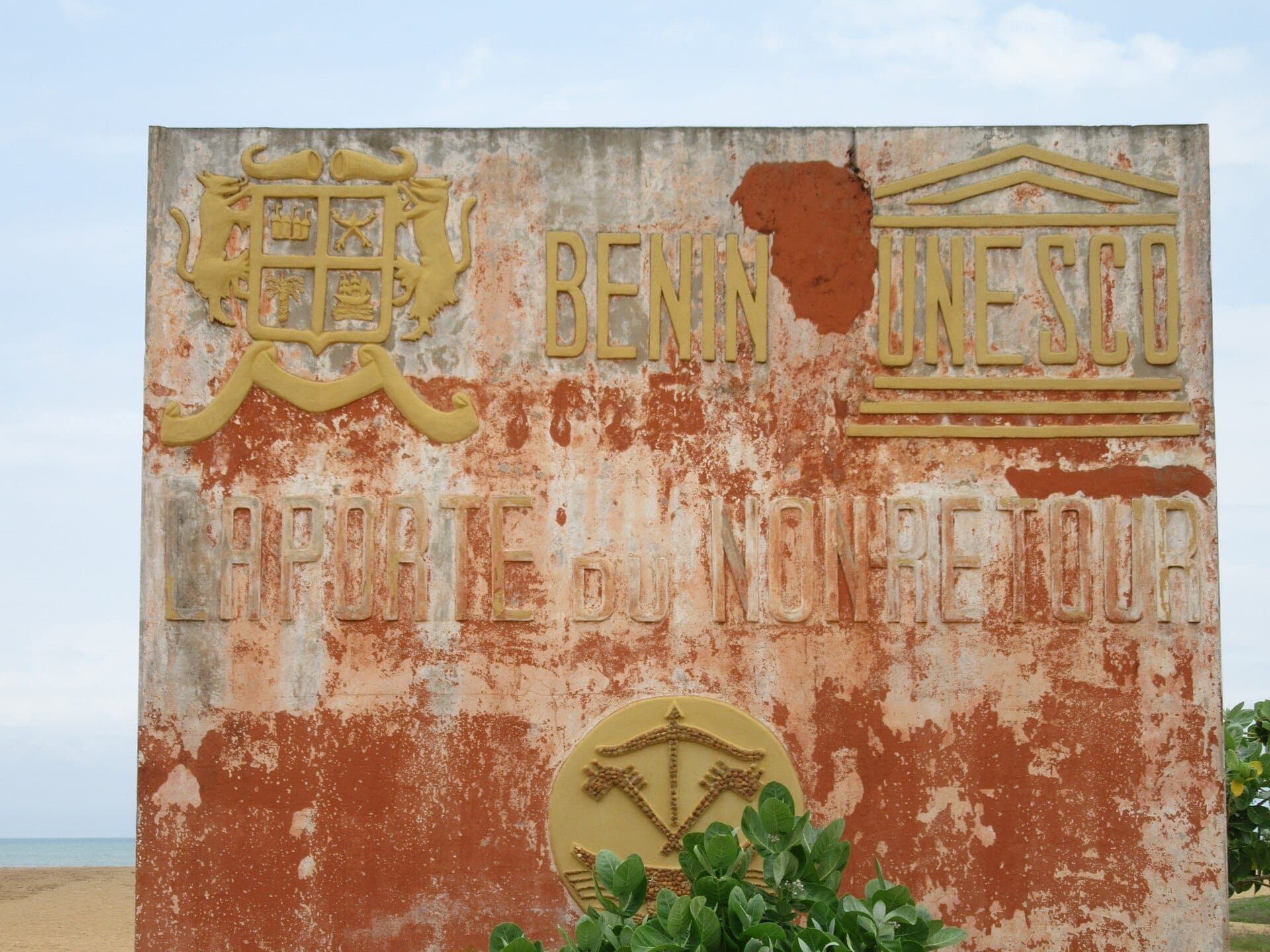
The Door of No Return memorial on the beach at Ouidah, Benin.

Labseighttweentysix

02 / 14

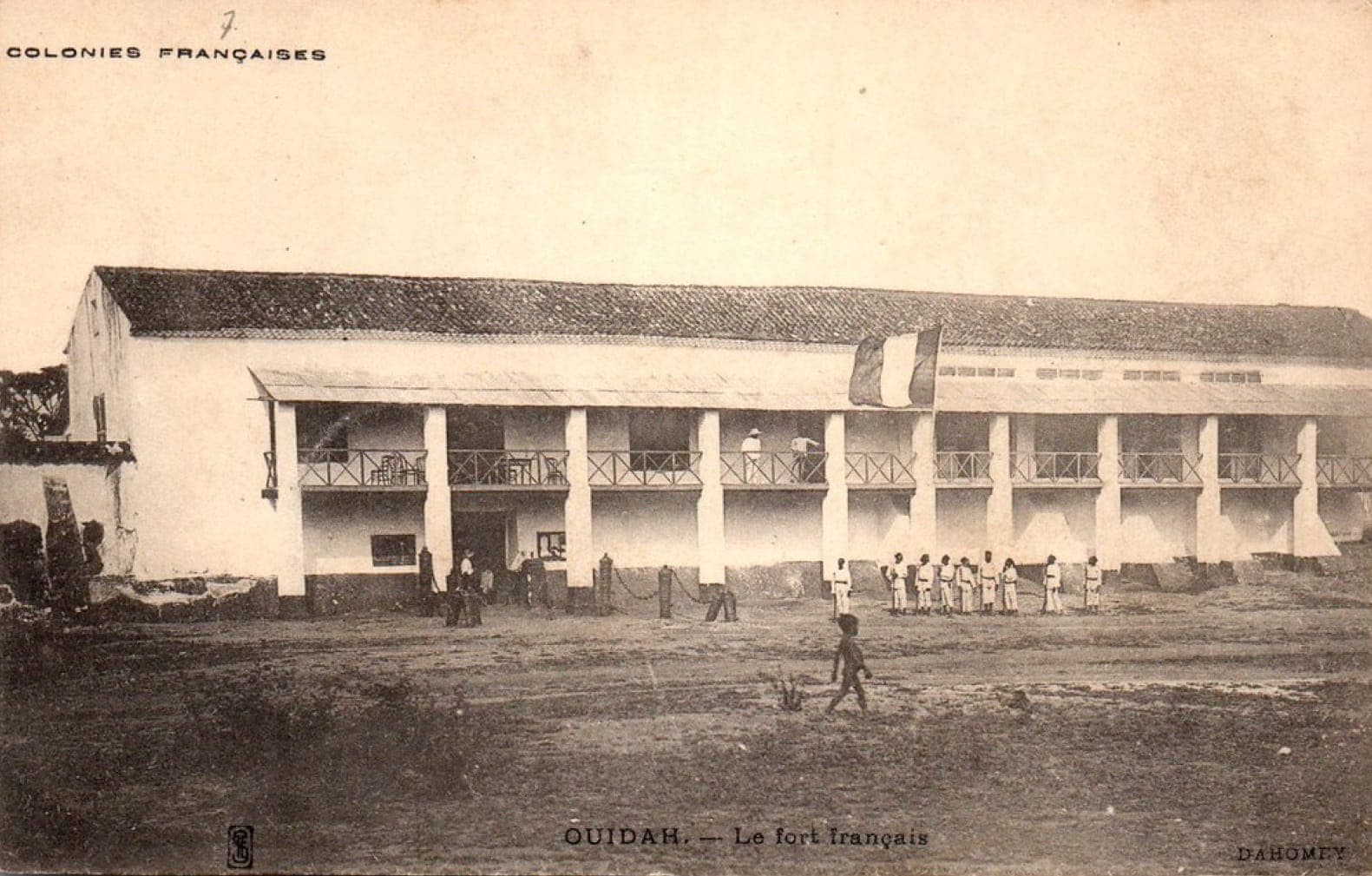
Ouidah

Benin

A coastal town in Benin. The Slave Route leads from the town to the beach and the Door of No Return memorial.

Gallery 01 / 05

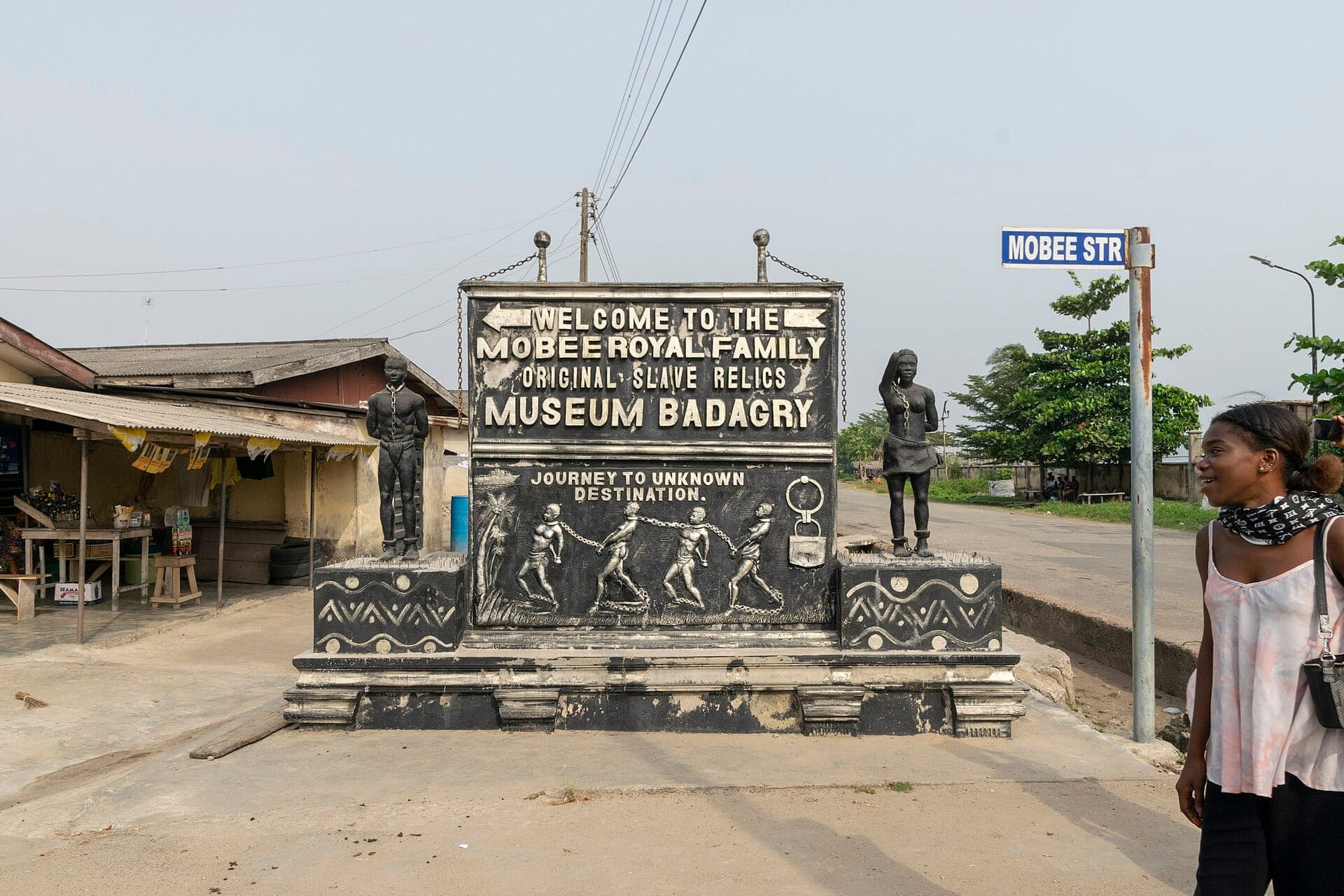
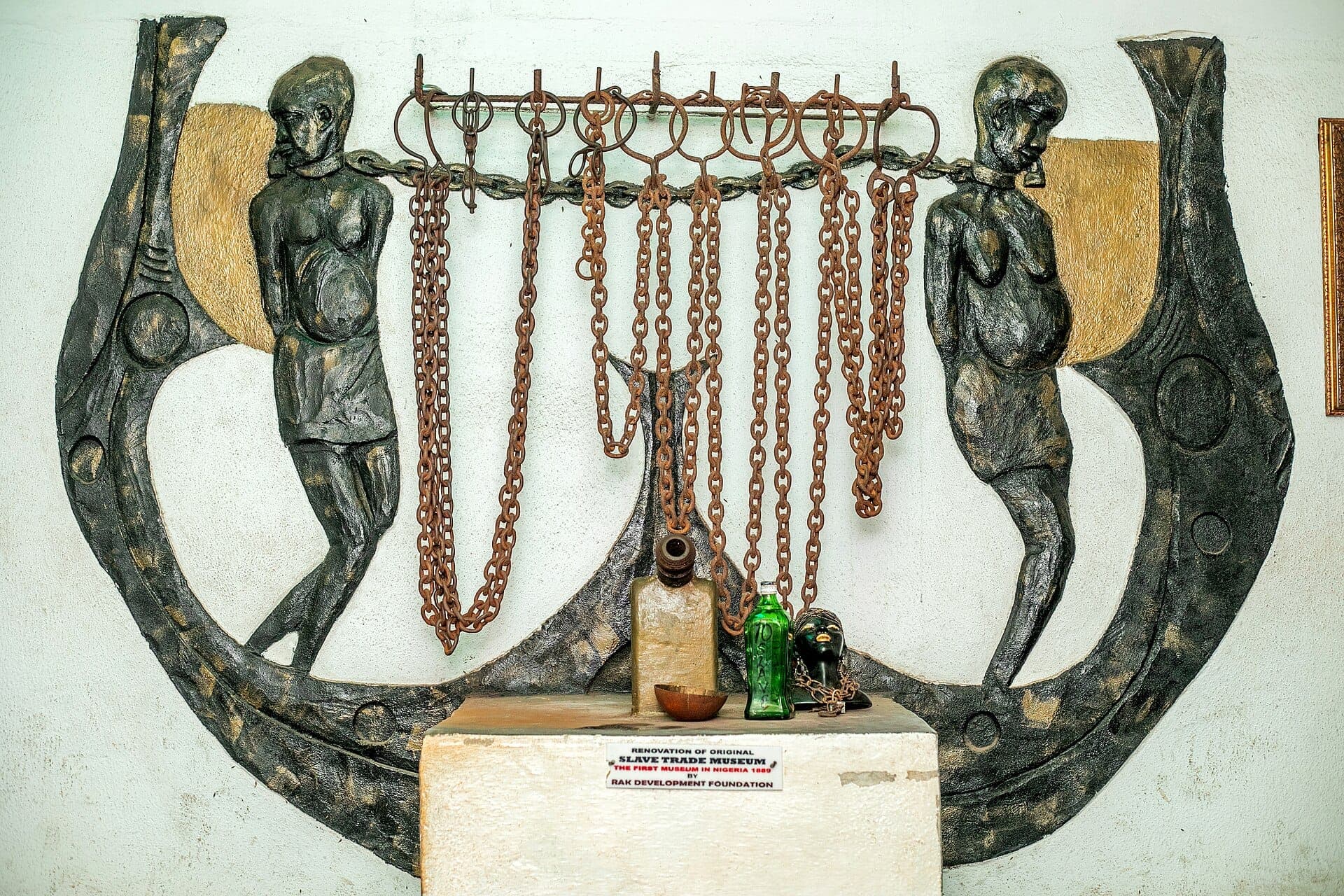
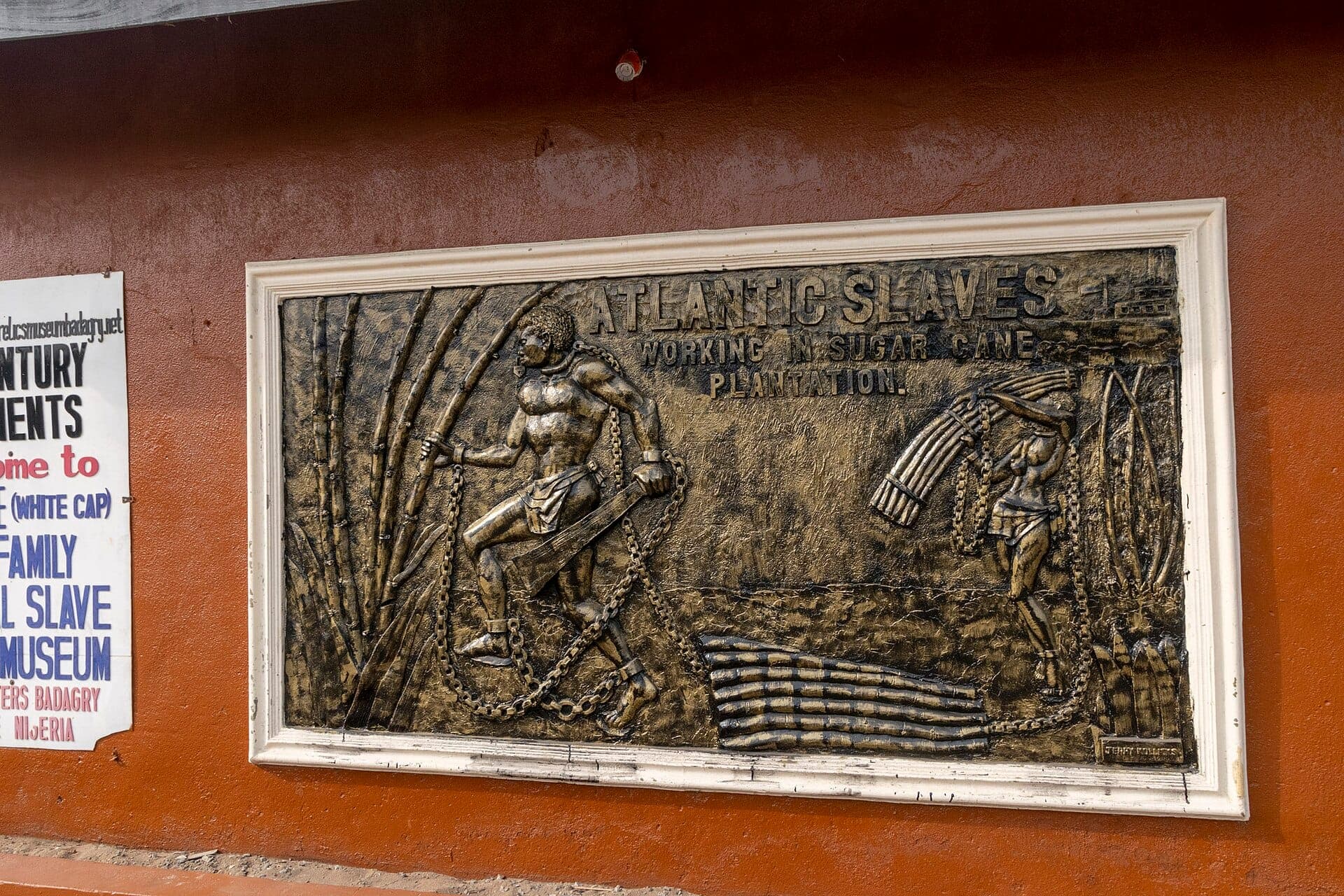
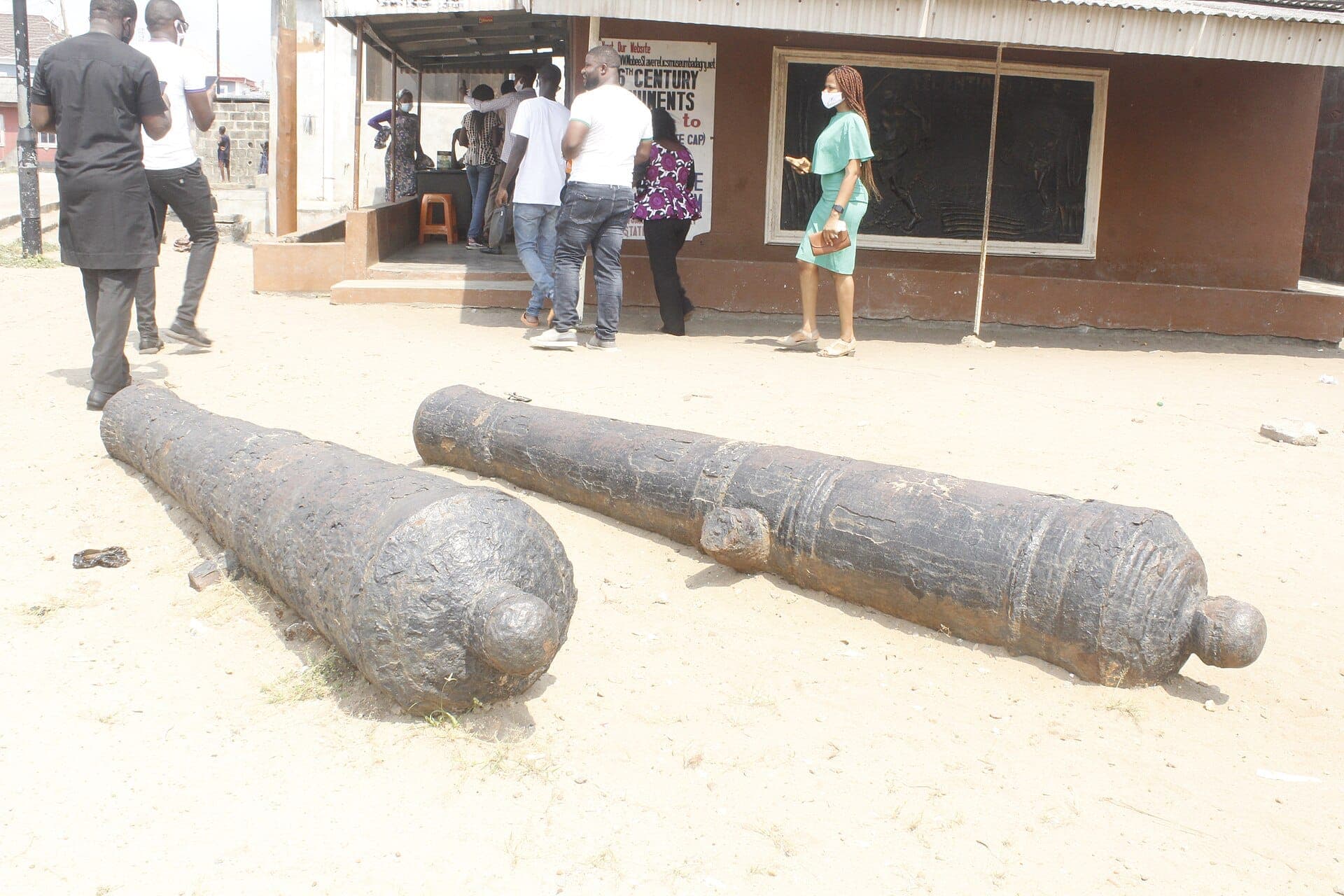
The landmark outside the Mobee Royal Family Slave Relics Museum in Badagry.

Labseighttweentysix

03 / 14

Badagry

Lagos State, Nigeria

A coastal town in Lagos State, Nigeria, whose heritage sites preserve the memory of the Atlantic slave trade.

Gallery 01 / 05

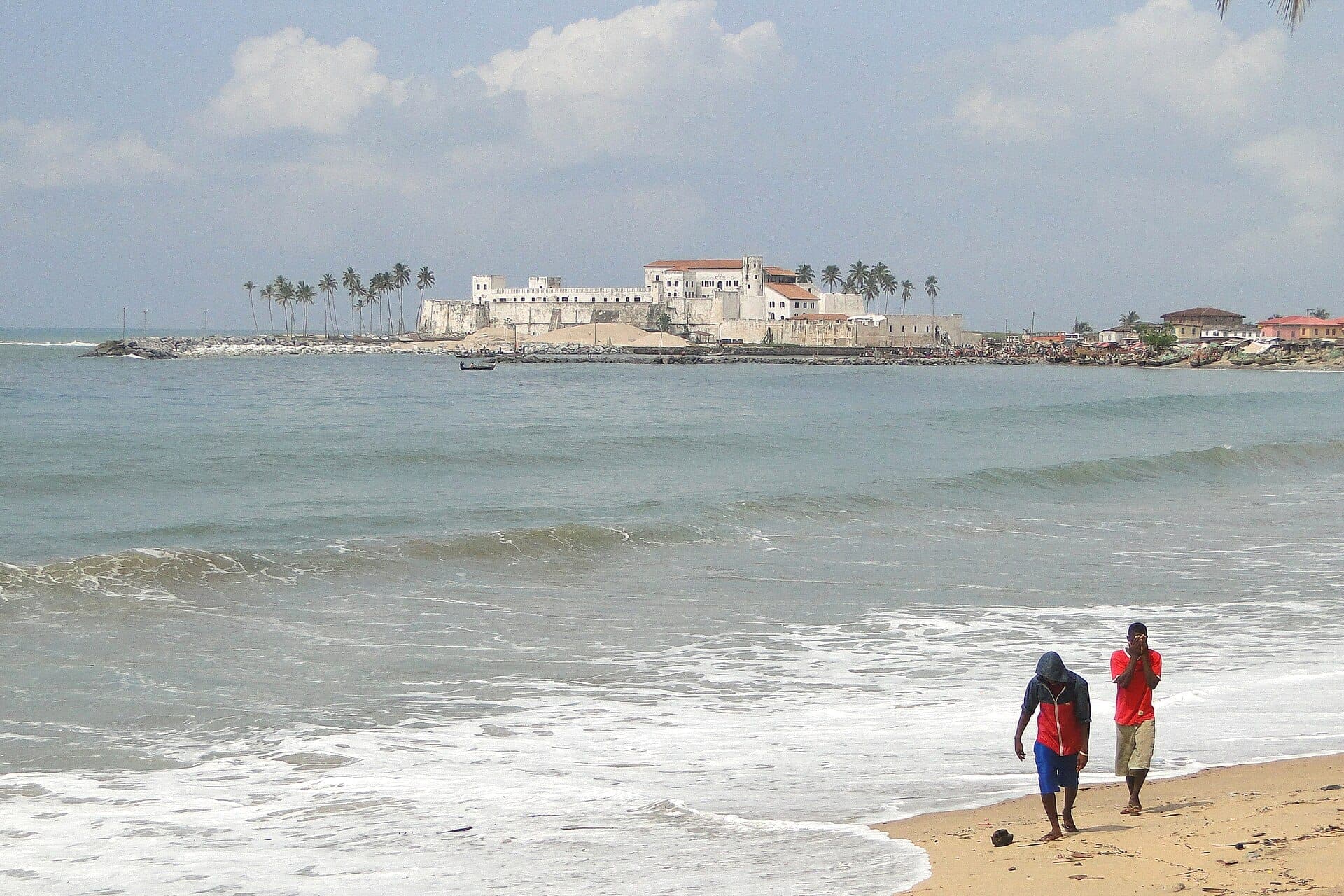
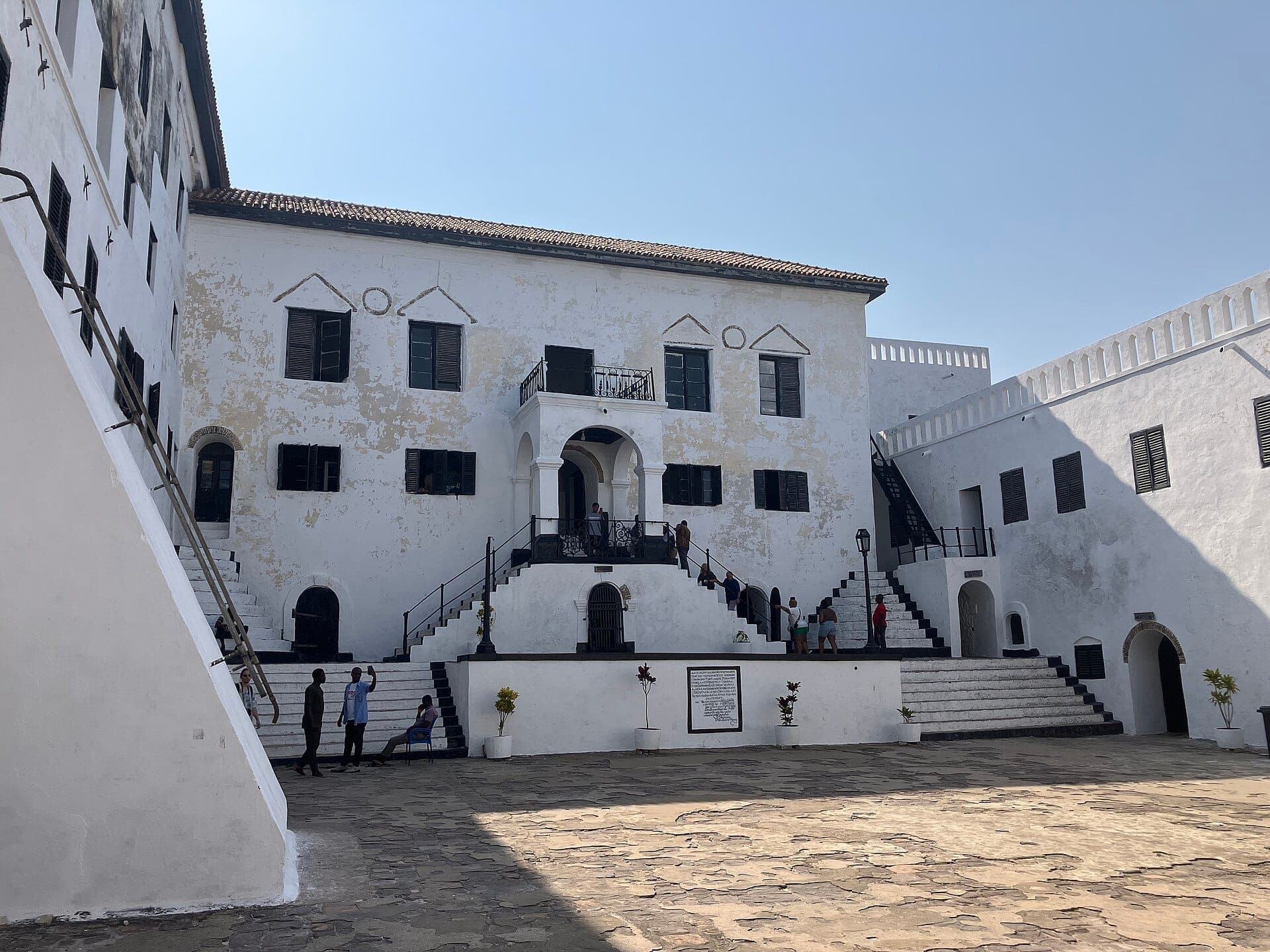
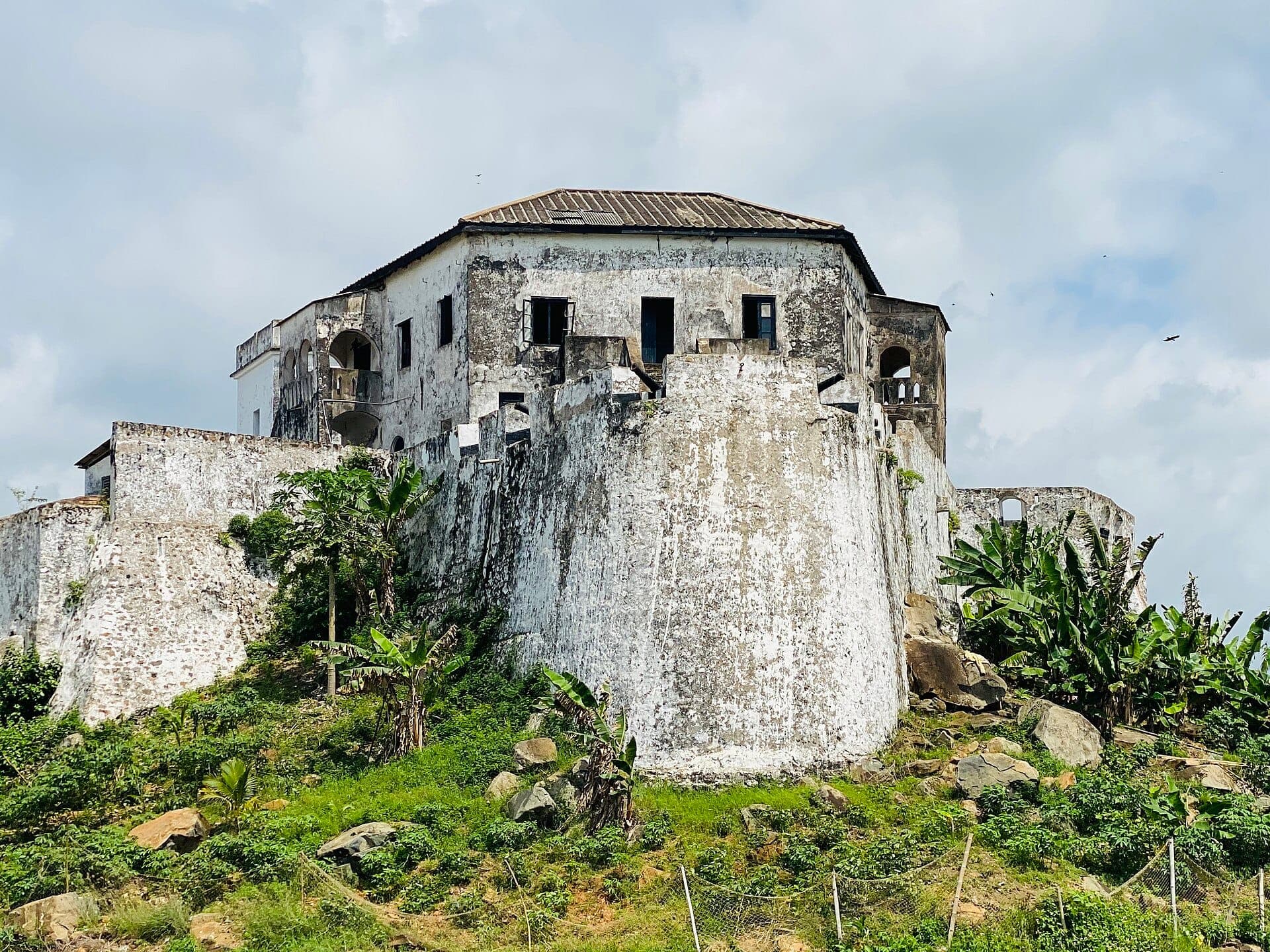
St. George's Castle, known as Elmina Castle, seen from the seashore.

Labseighttweentysix

04 / 14

Elmina

Central Region, Ghana

A town on Ghana's coast and home to Elmina Castle, one of the forts and castles of Ghana listed together as a UNESCO World Heritage Site.

Gallery 01 / 05

Sources

  • Documented history: UNESCO World Heritage List: Forts and Castles, Volta, Greater Accra, Central and Western Regions (Ghana).
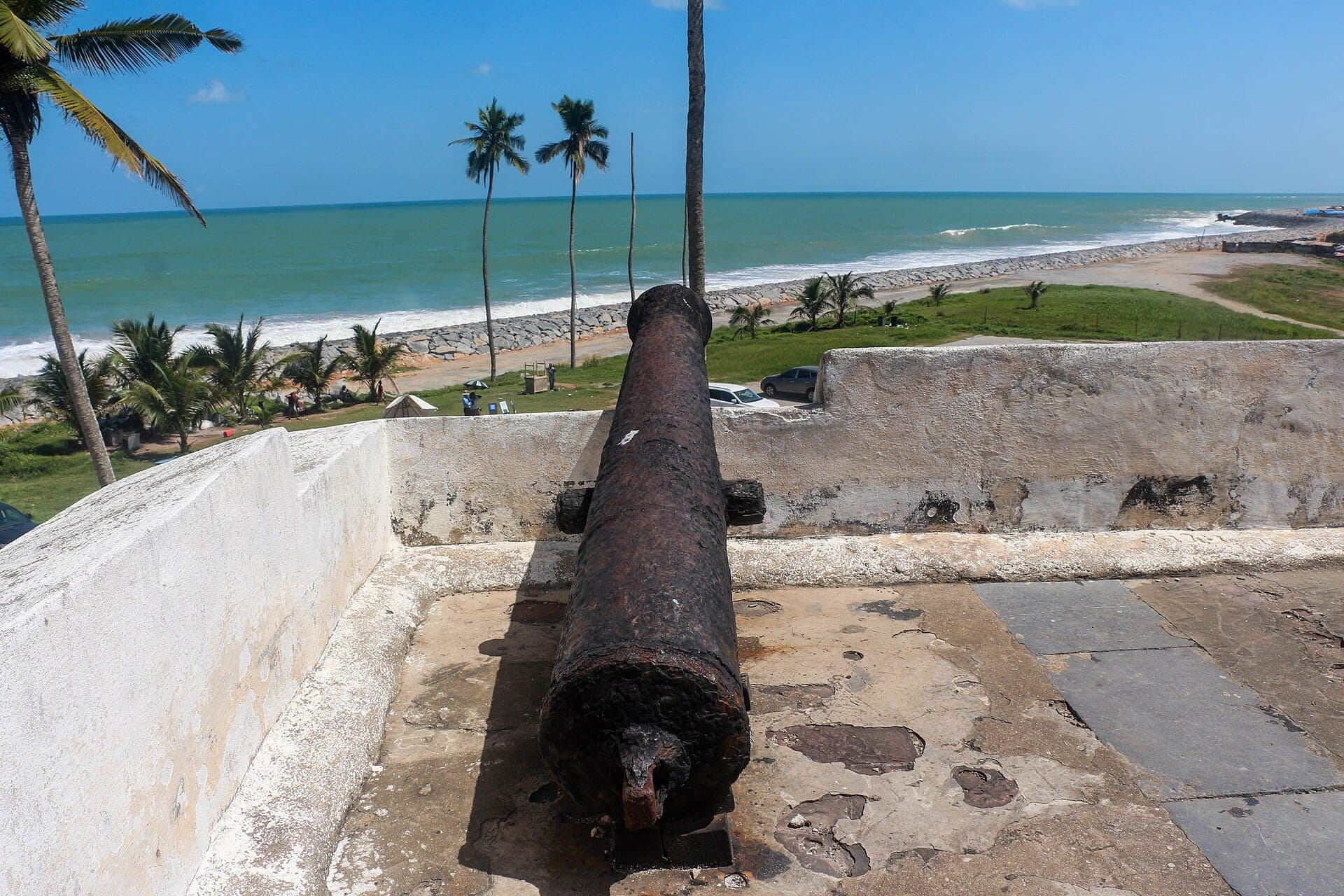
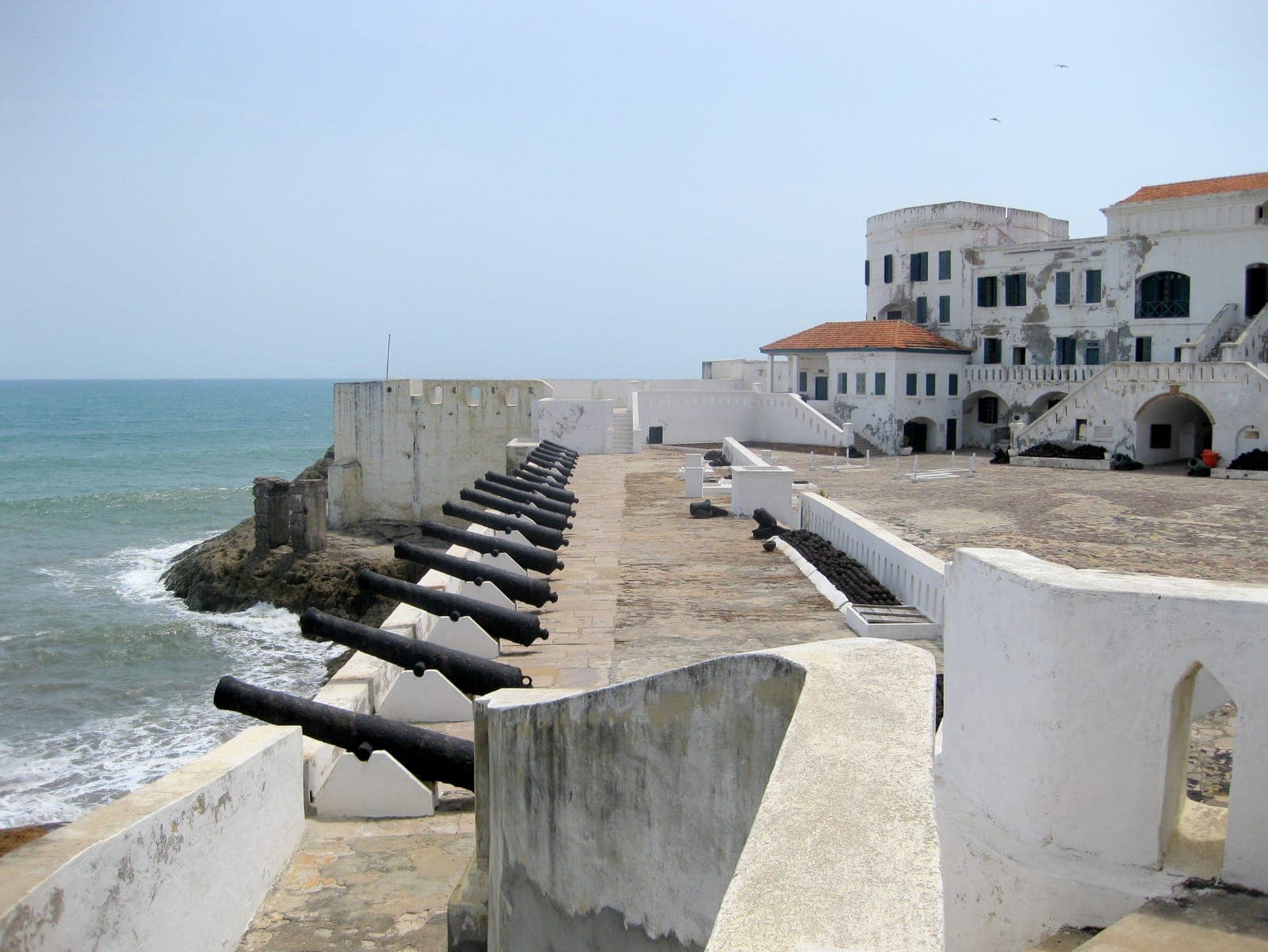
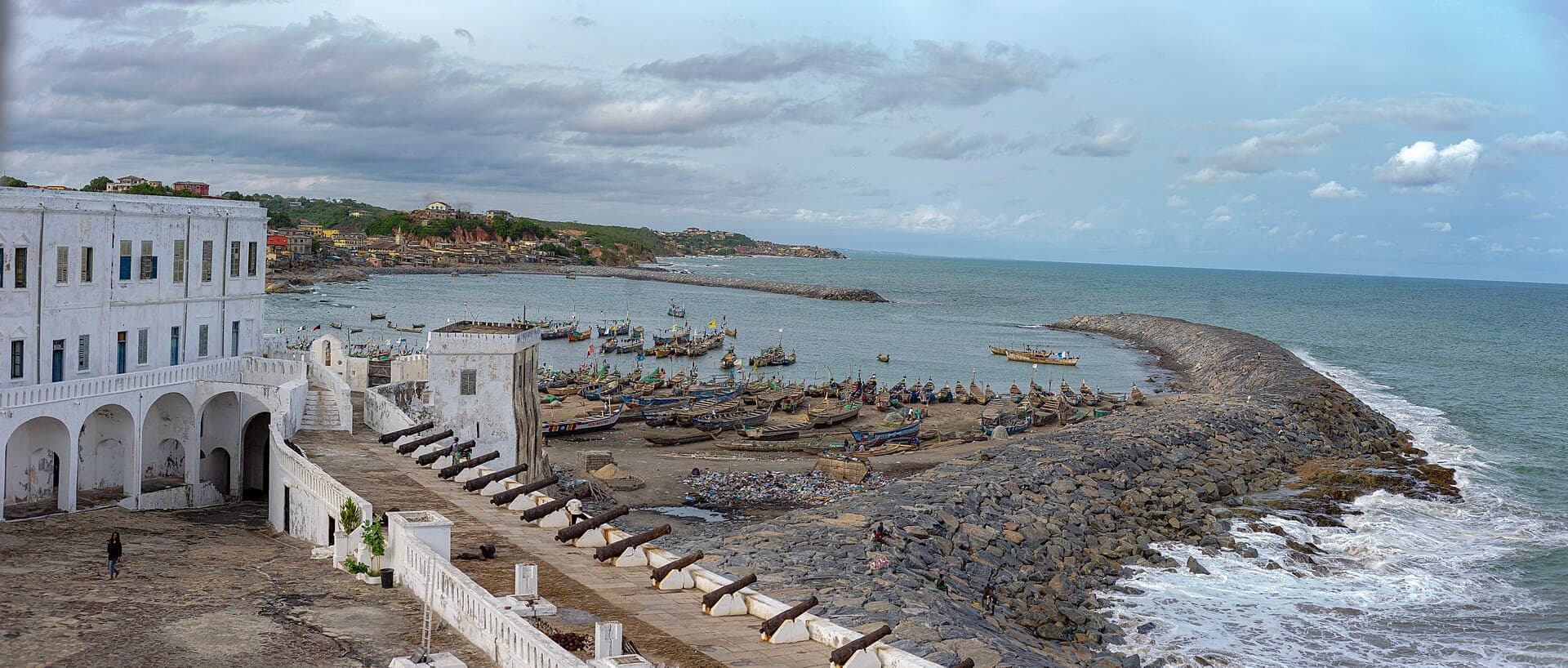
Cannons along the ramparts of Cape Coast Castle, facing the sea.

Labseighttweentysix

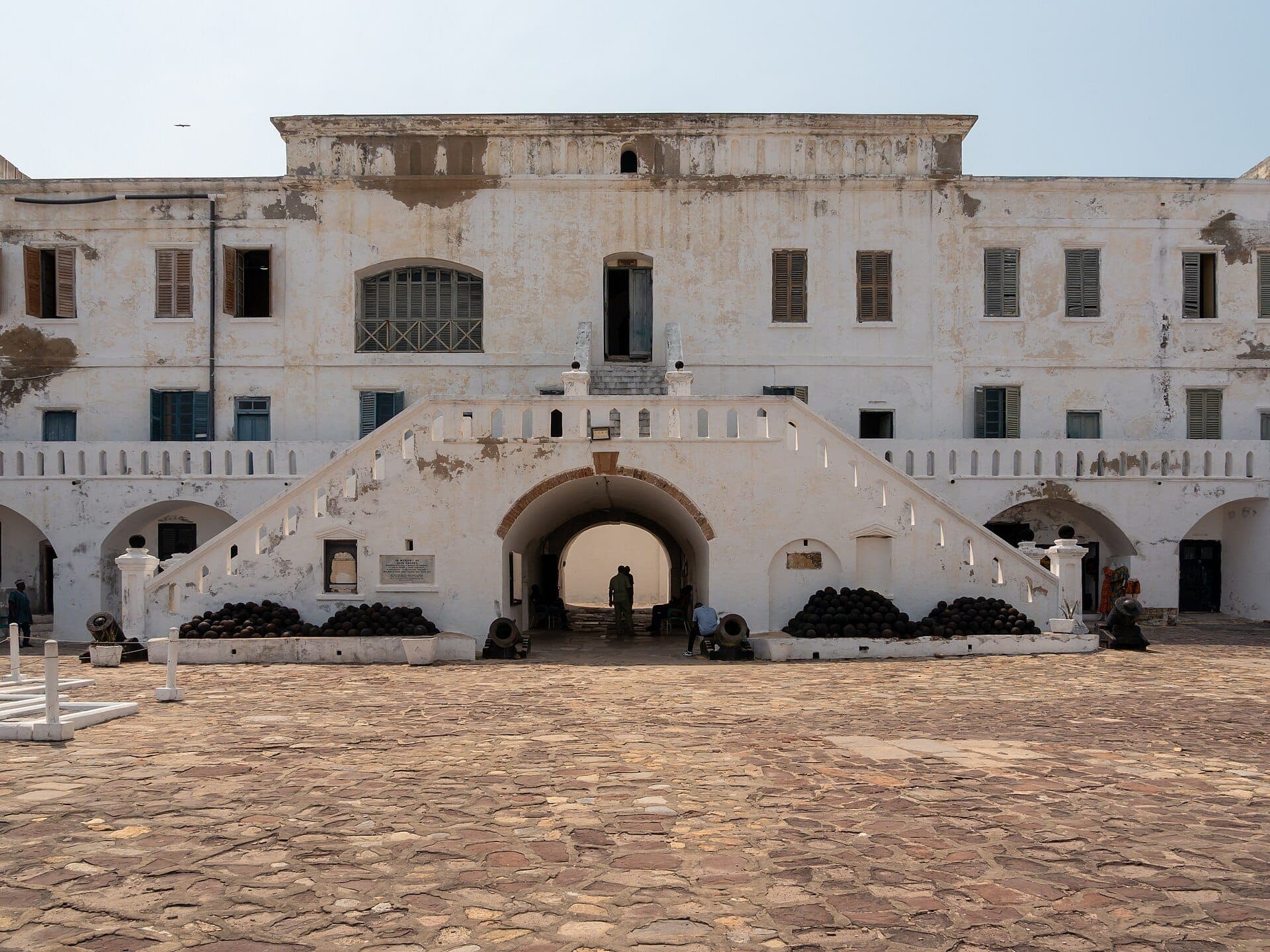
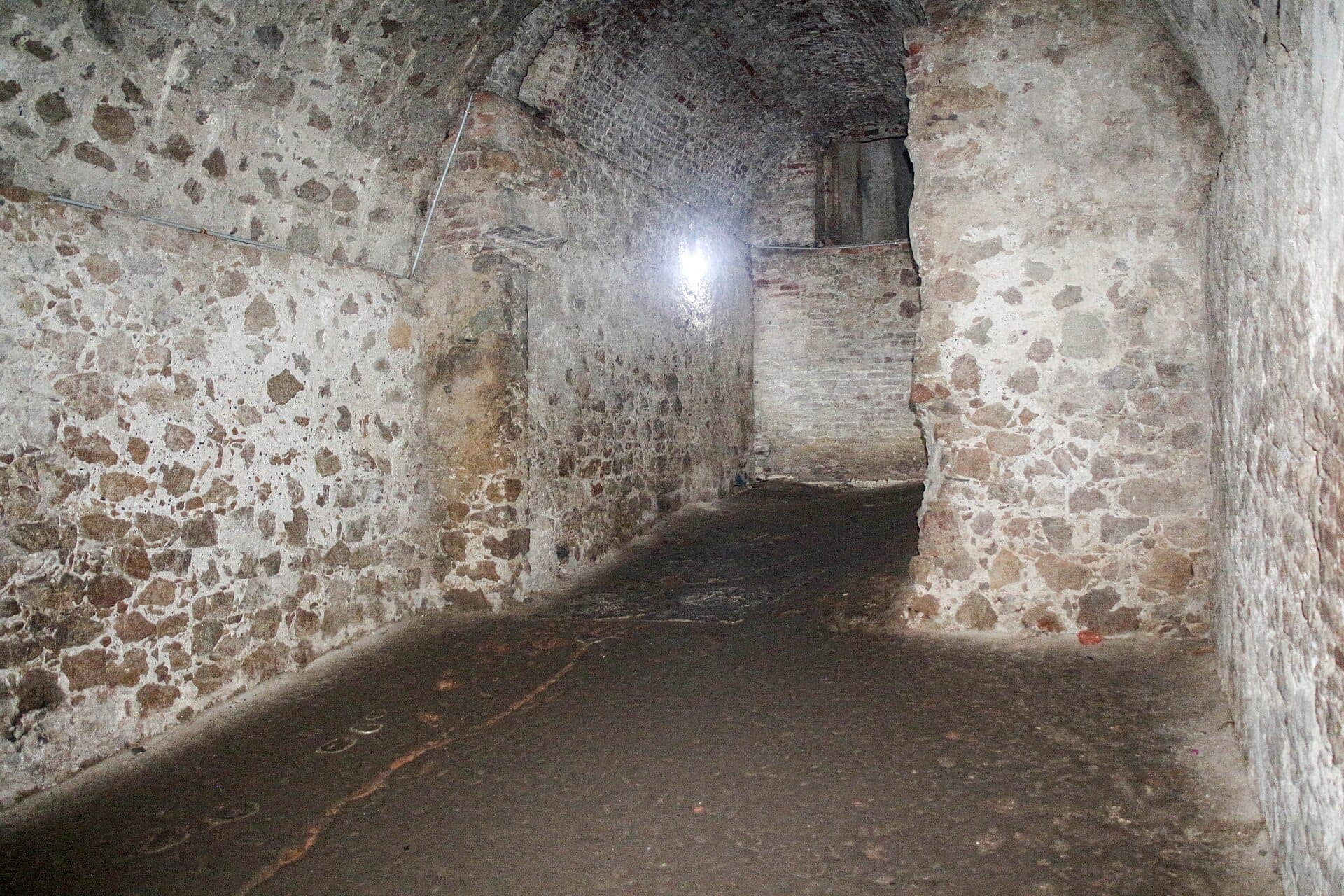
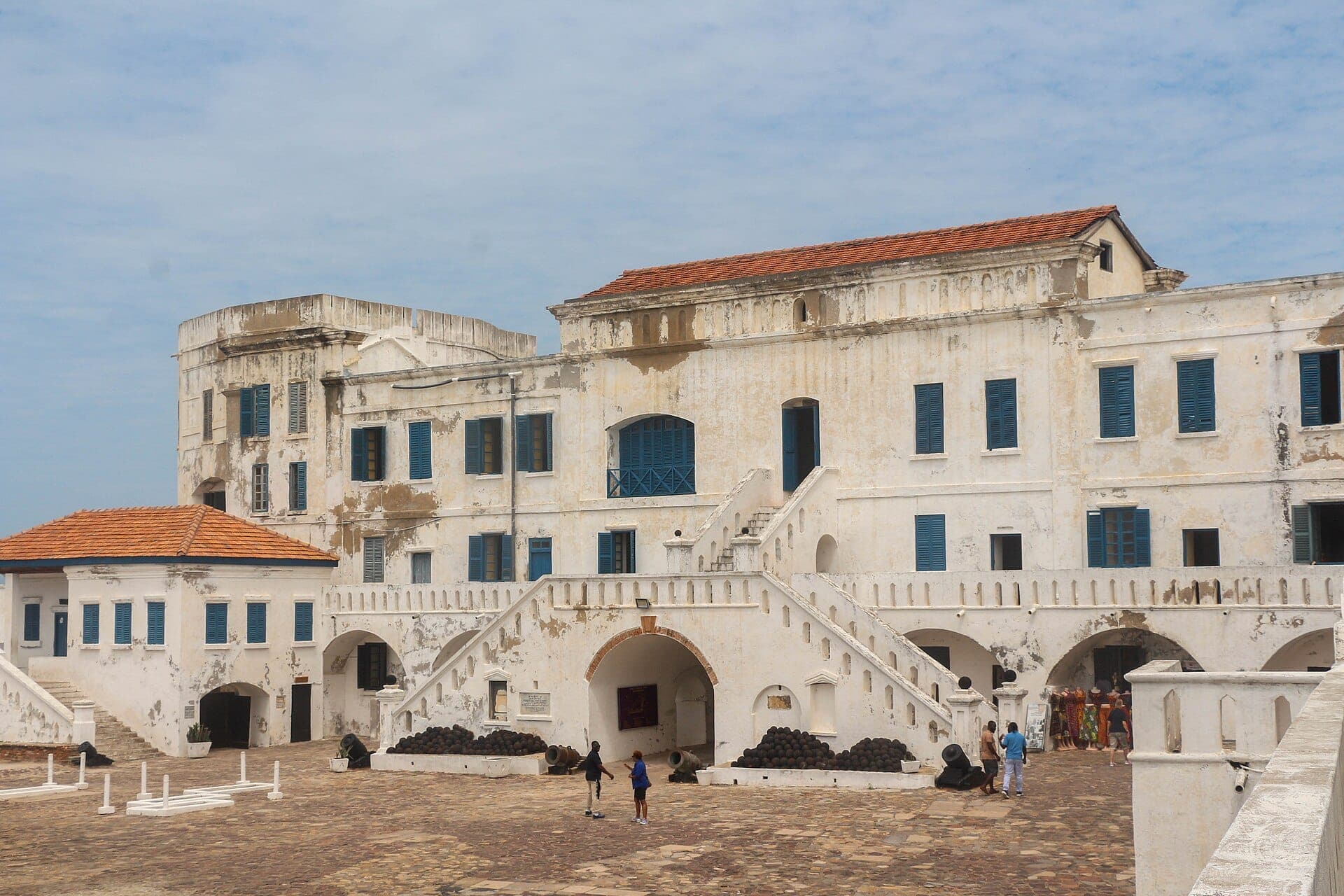
05 / 14

Cape Coast

Central Region, Ghana

A city on Ghana's coast and home to Cape Coast Castle, part of the same UNESCO World Heritage listing of Ghana's forts and castles.

Gallery 01 / 05

Sources

  • Documented history: UNESCO World Heritage List: Forts and Castles, Volta, Greater Accra, Central and Western Regions (Ghana).
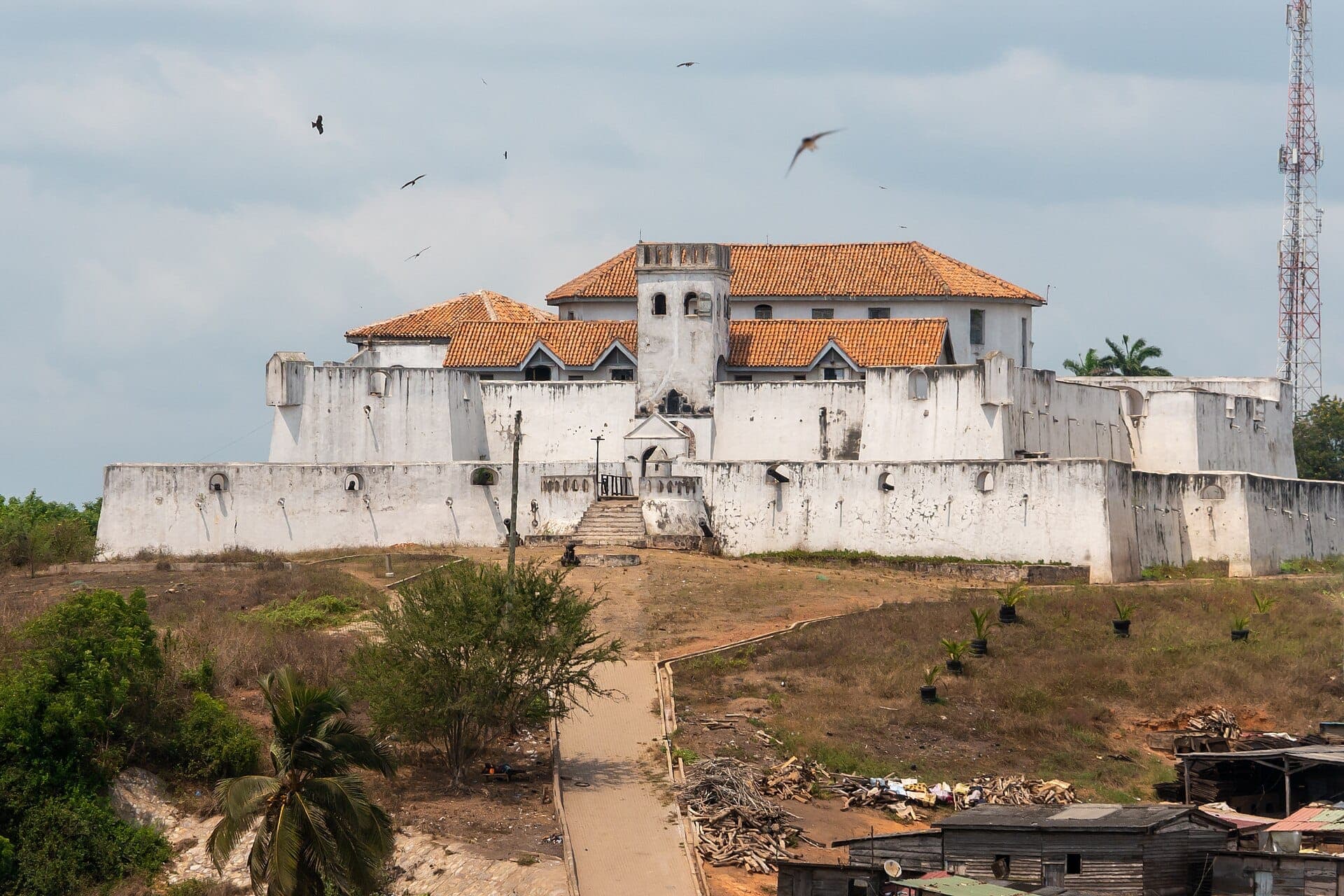
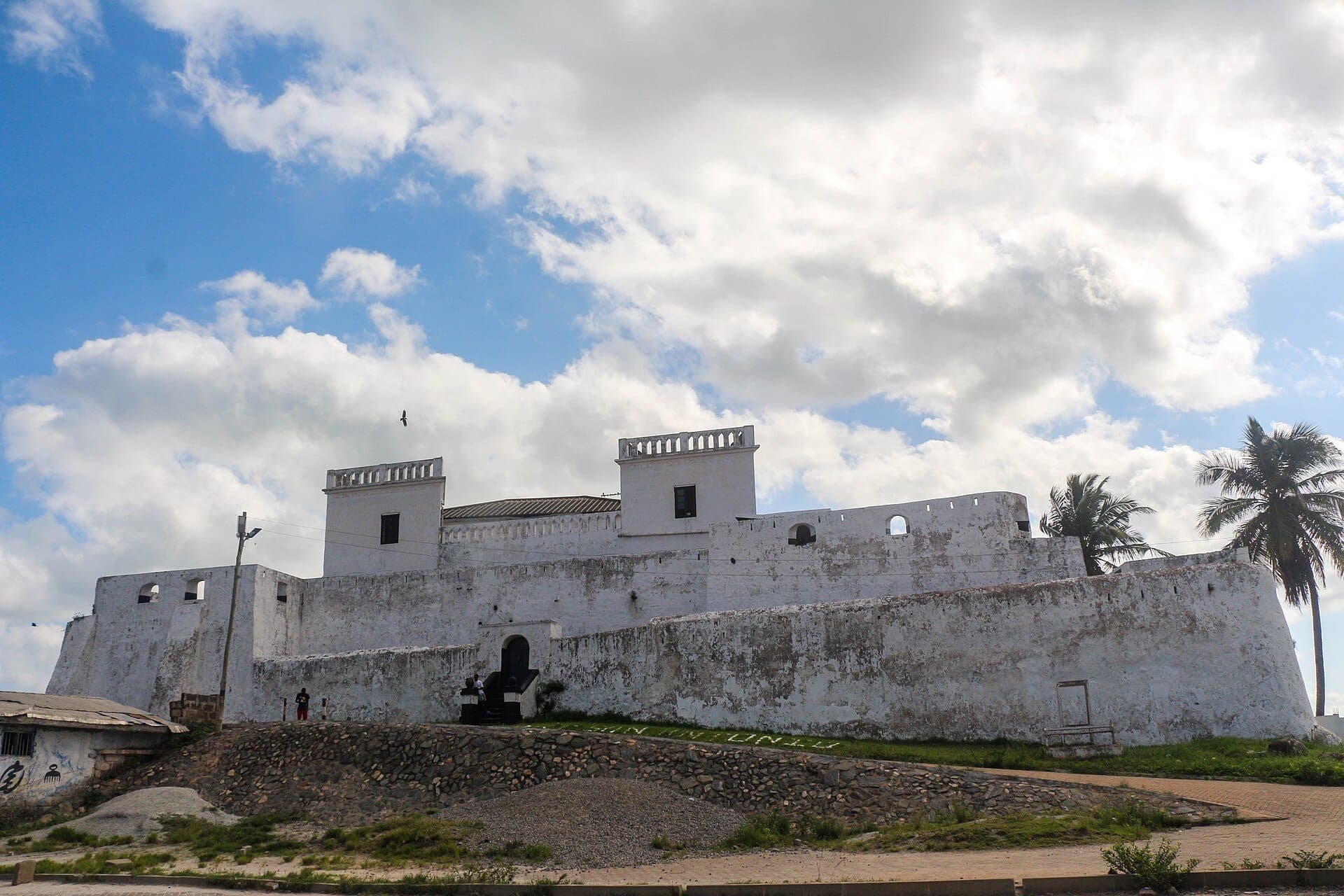
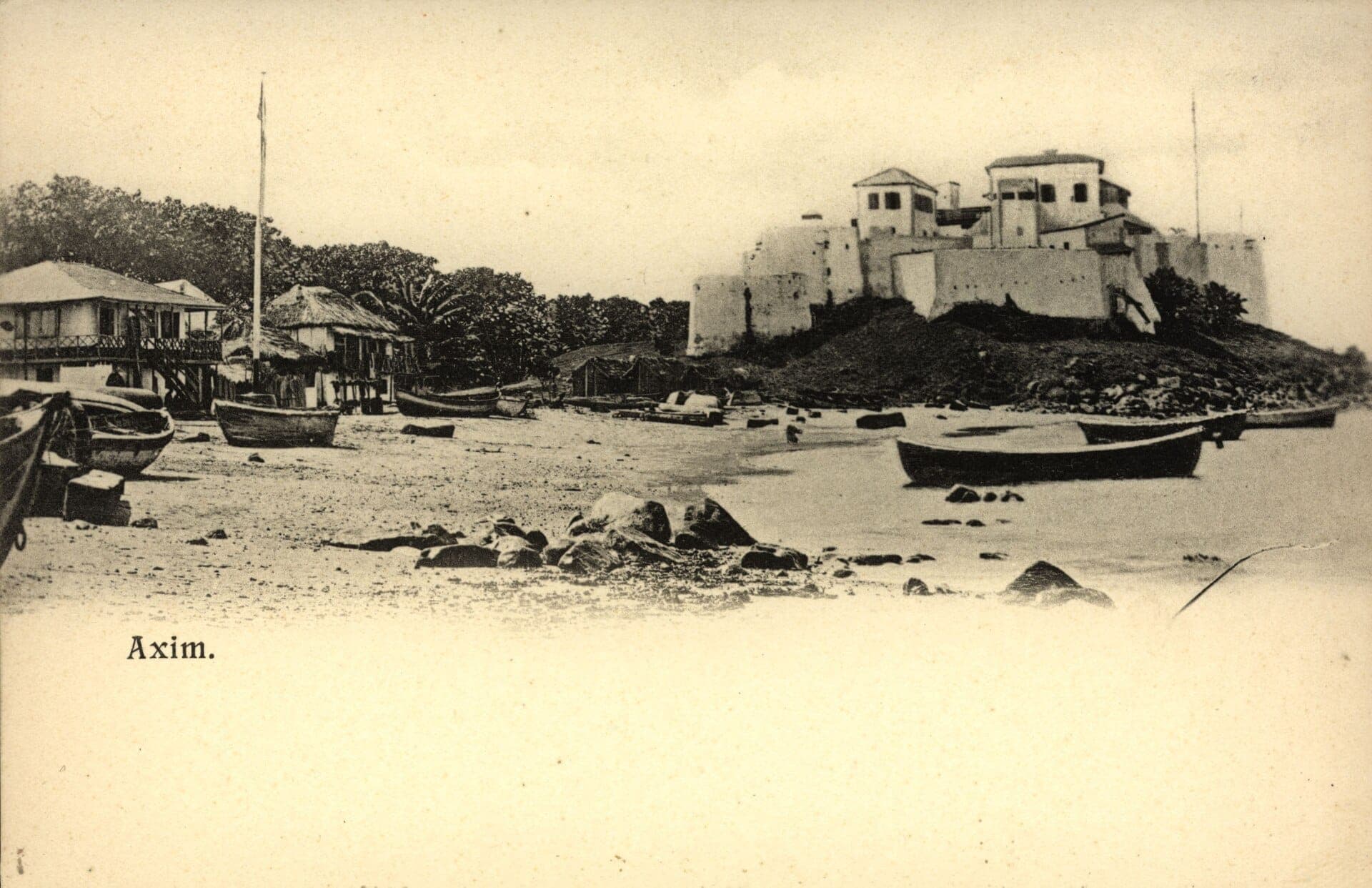
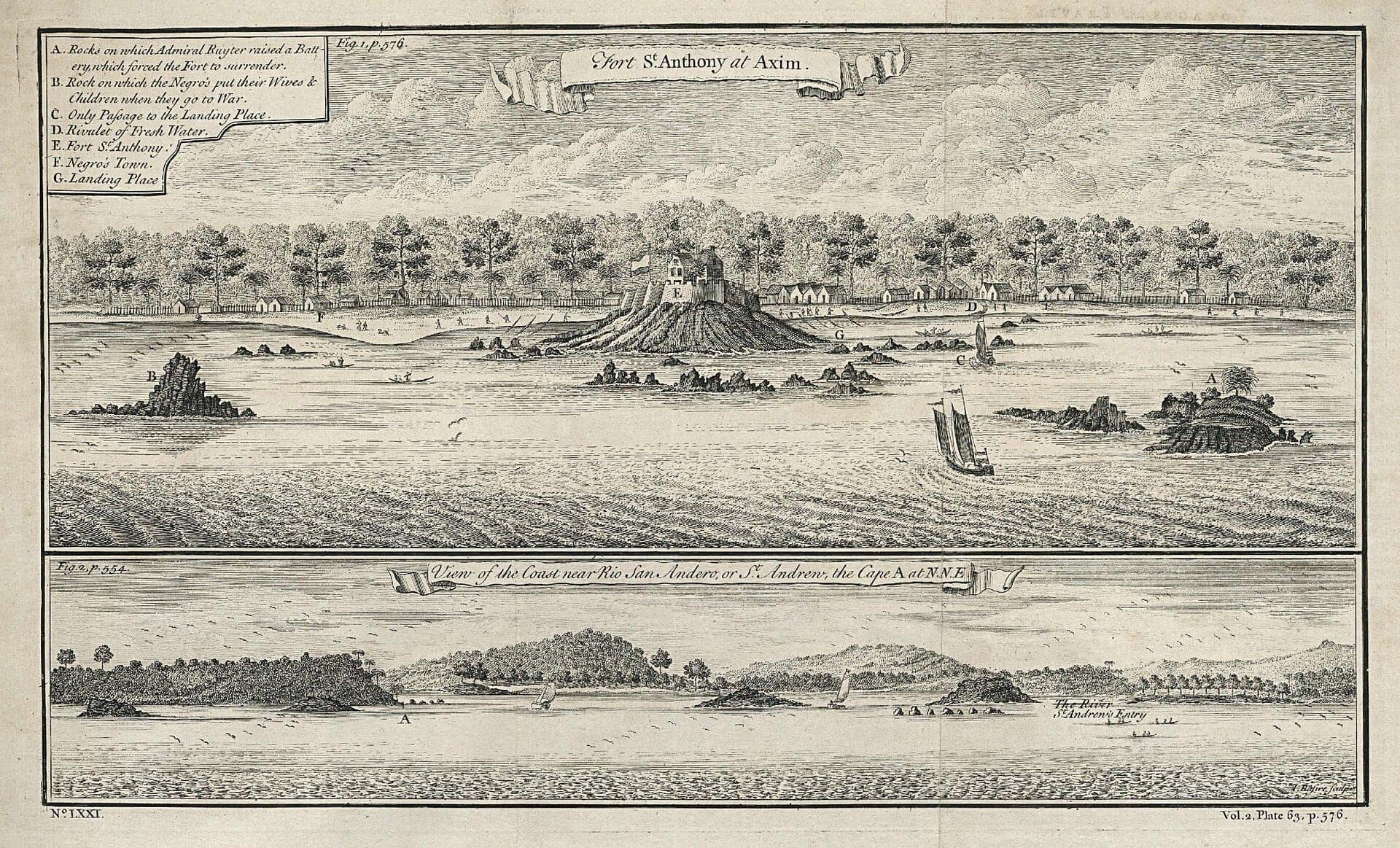
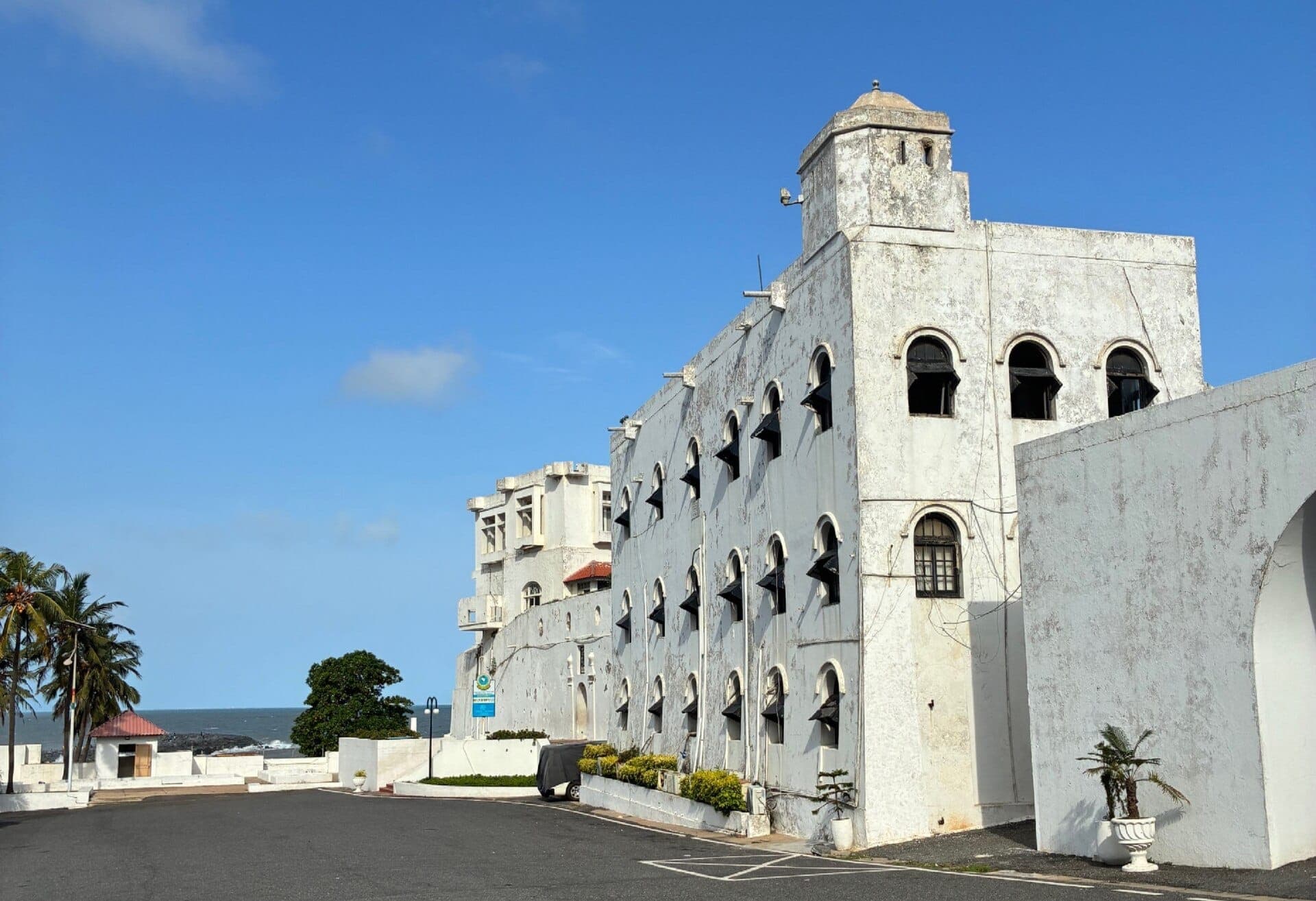
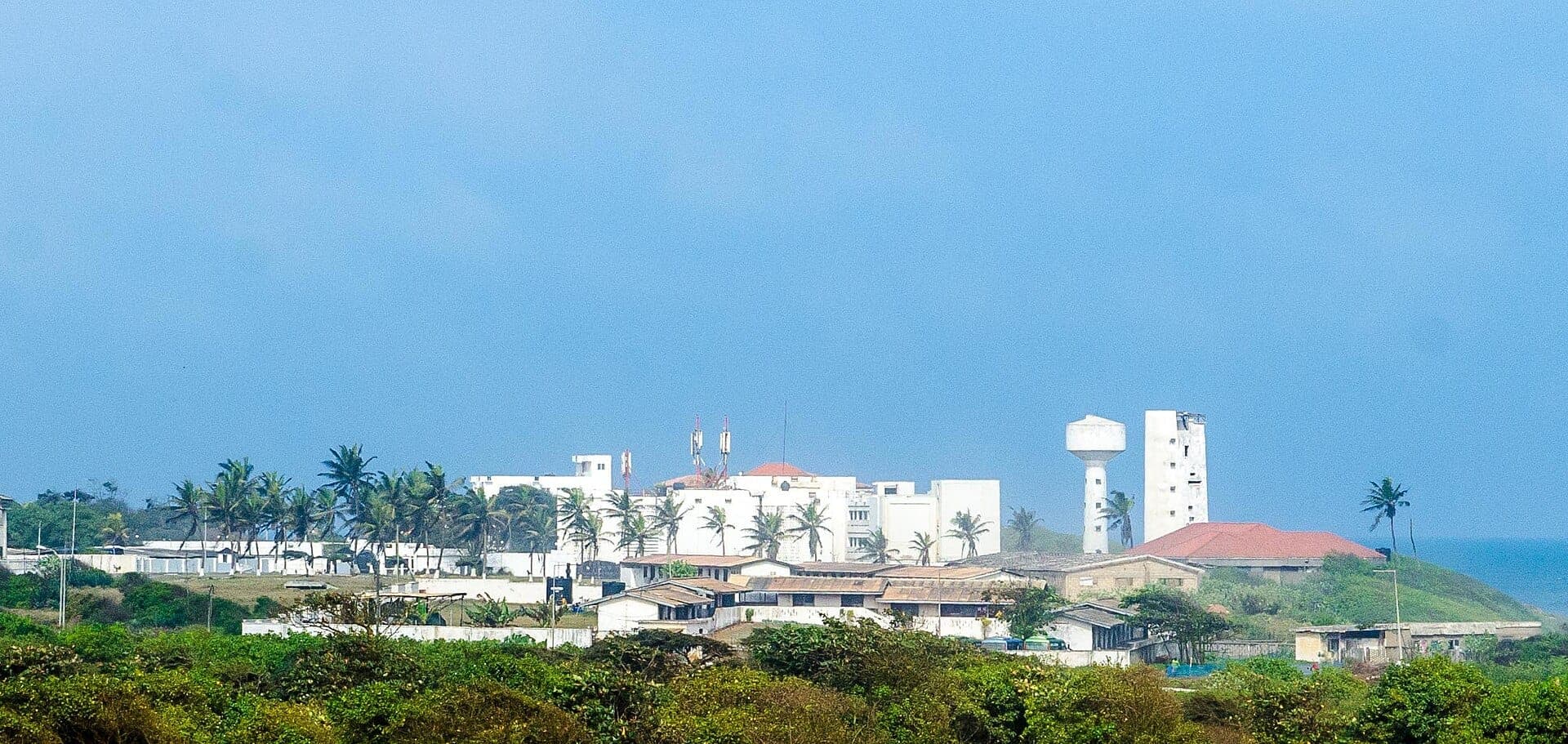
Fort St. Anthony (Fort San Antonio) in Axim, Western Region, Ghana.

Labseighttweentysix

06 / 14

Axim

Western Region, Ghana

A town in Ghana's Western Region and home to Fort San Antonio, also among the forts and castles on Ghana's UNESCO World Heritage listing.

Gallery 01 / 05

Sources

  • Documented history: UNESCO World Heritage List: Forts and Castles, Volta, Greater Accra, Central and Western Regions (Ghana).
Osu Castle, also known as Fort Christiansborg or Christiansborg Castle, in Accra.

Labseighttweentysix

07 / 14

Accra

Greater Accra Region, Ghana

Ghana's capital. Historic forts along its coastline, including Osu Castle and James Fort, are part of Ghana's UNESCO-listed forts and castles.

Gallery 01 / 05

Sources

  • Documented history: UNESCO World Heritage List: Forts and Castles, Volta, Greater Accra, Central and Western Regions (Ghana).
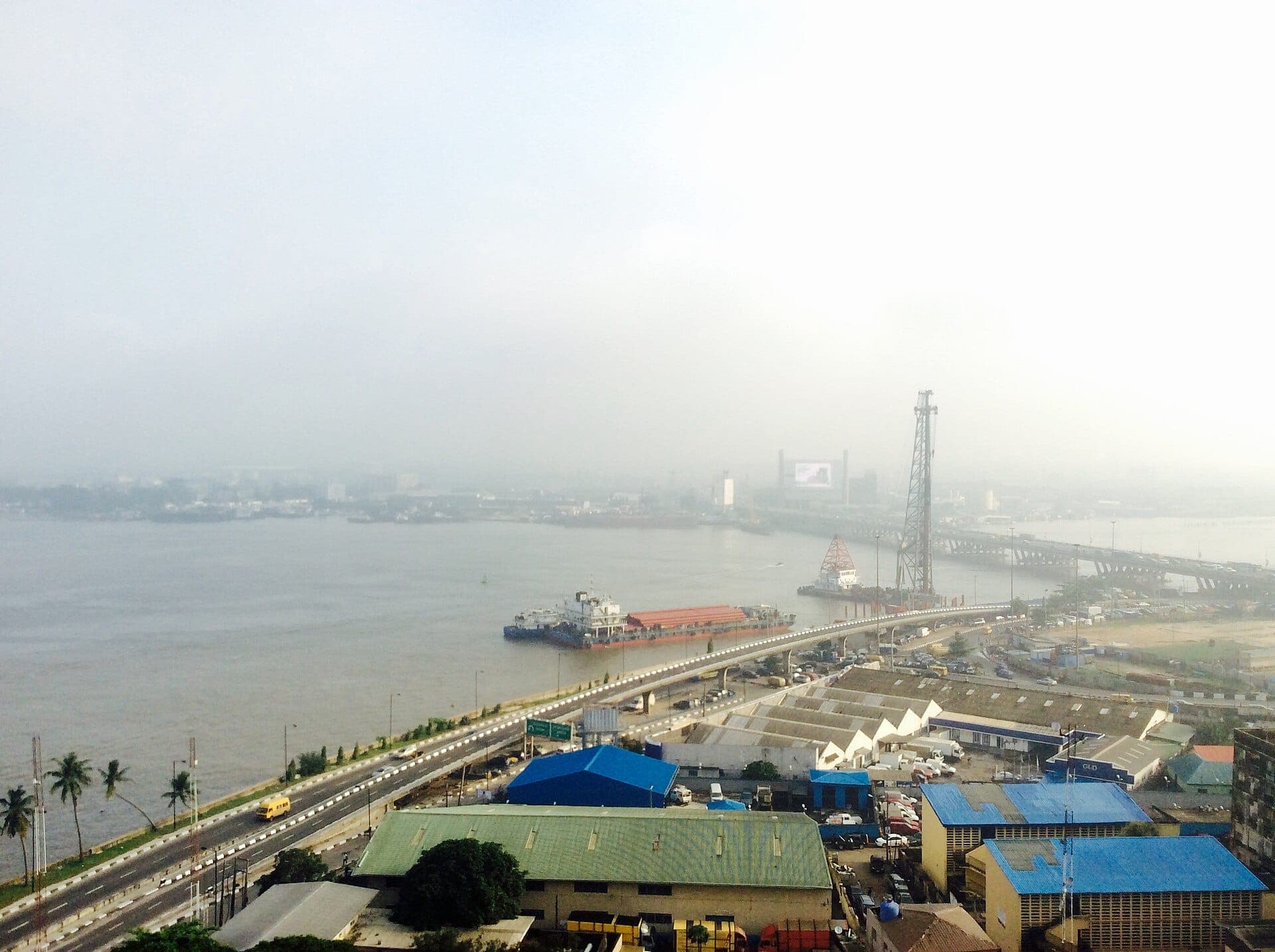
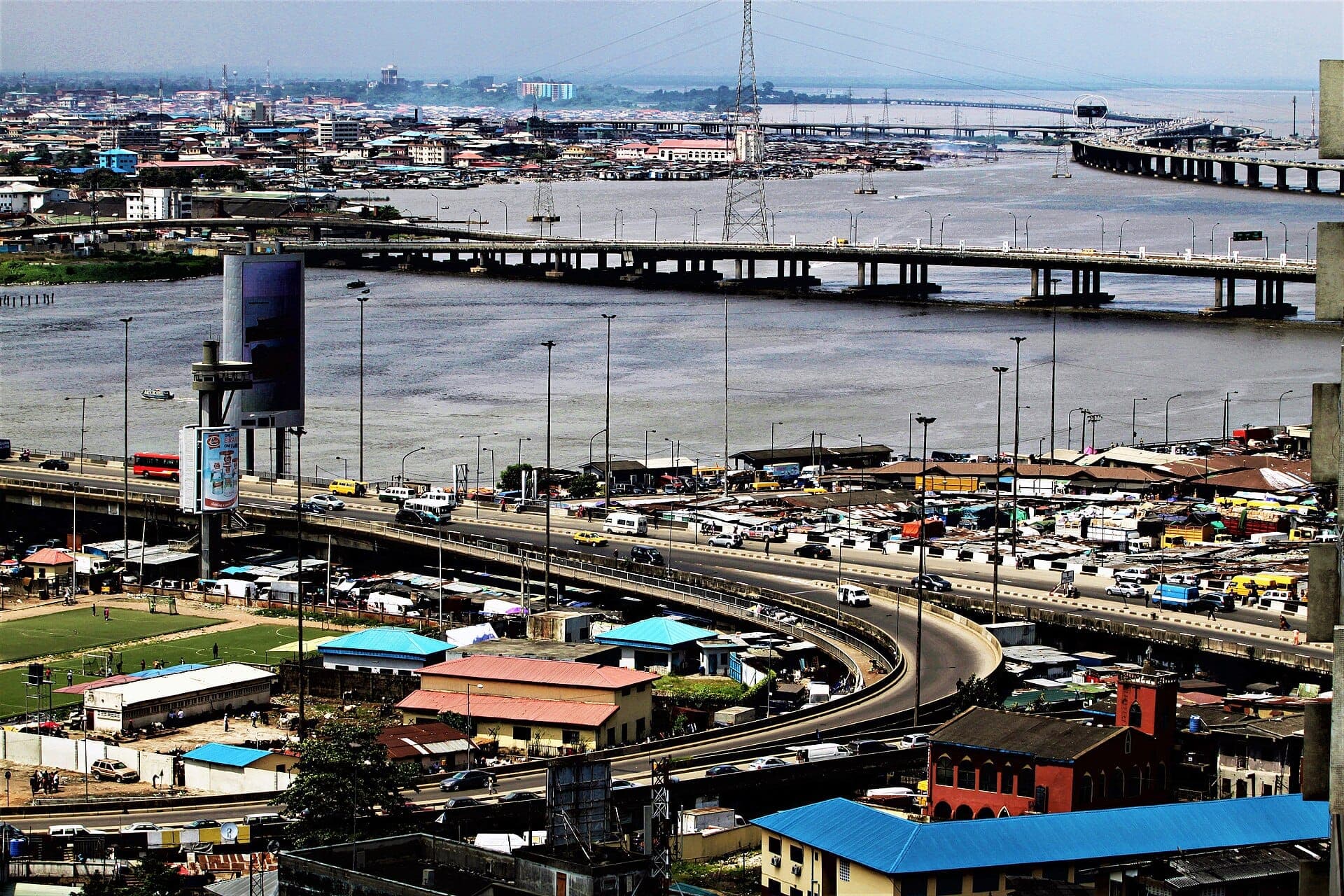
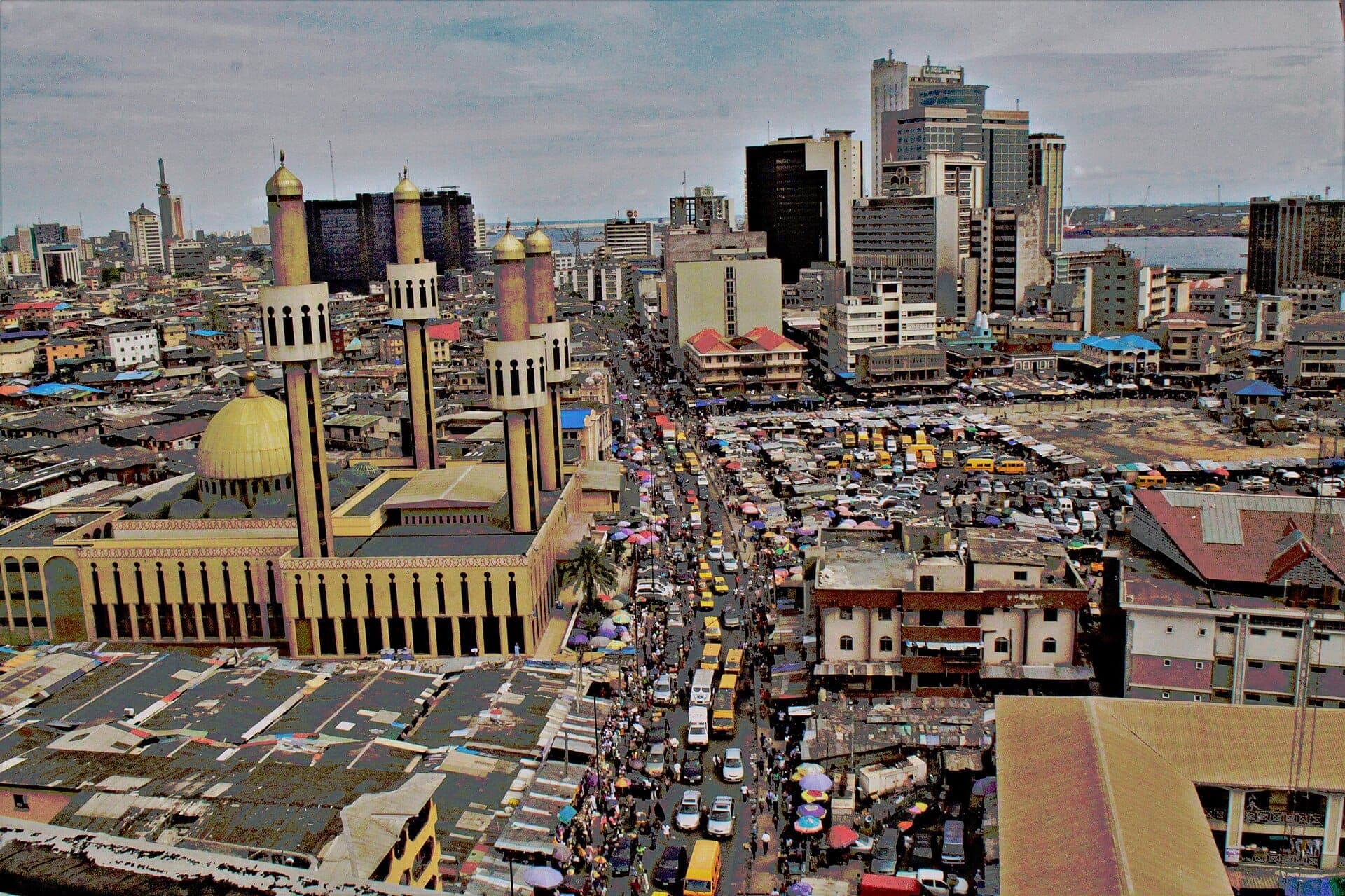
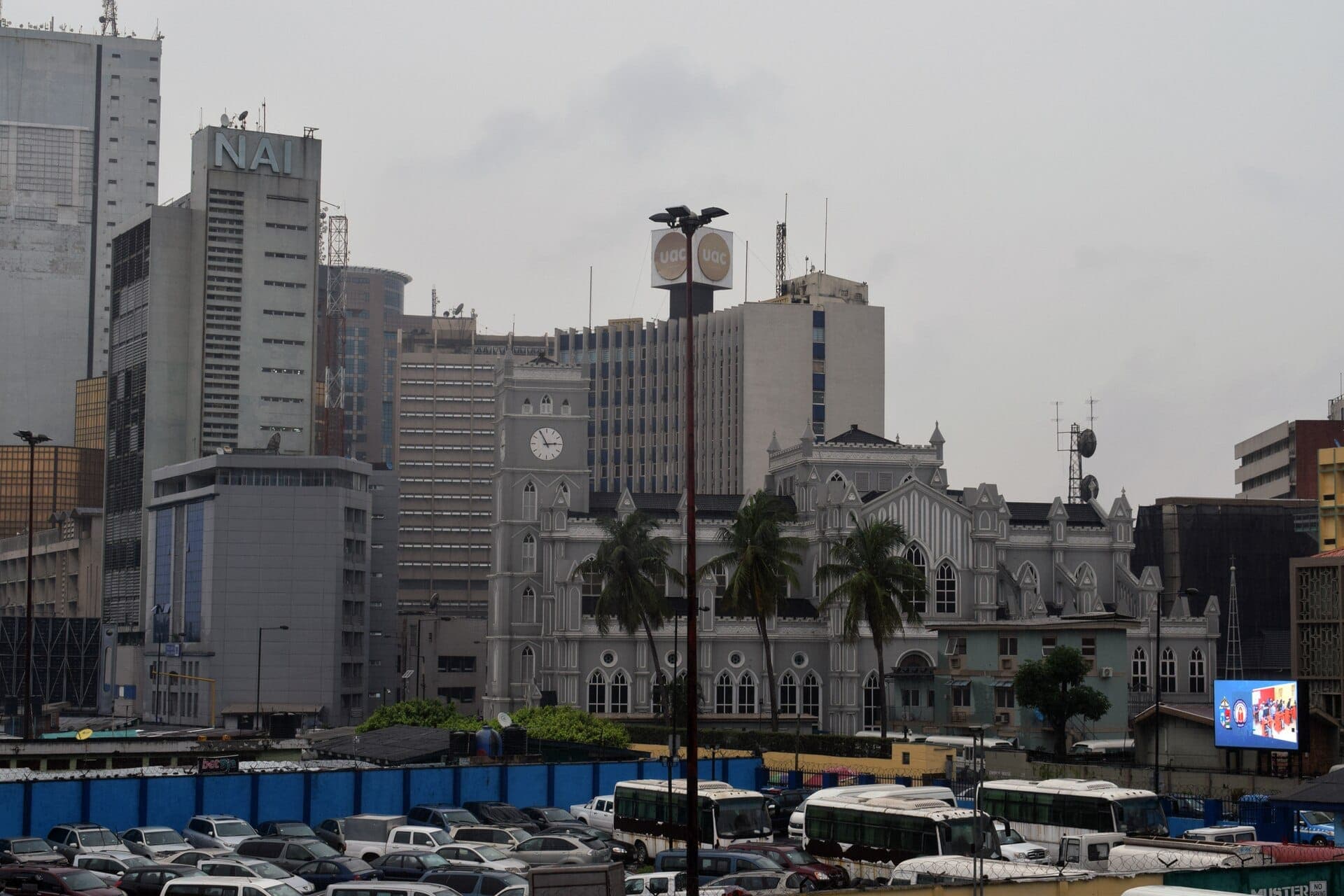
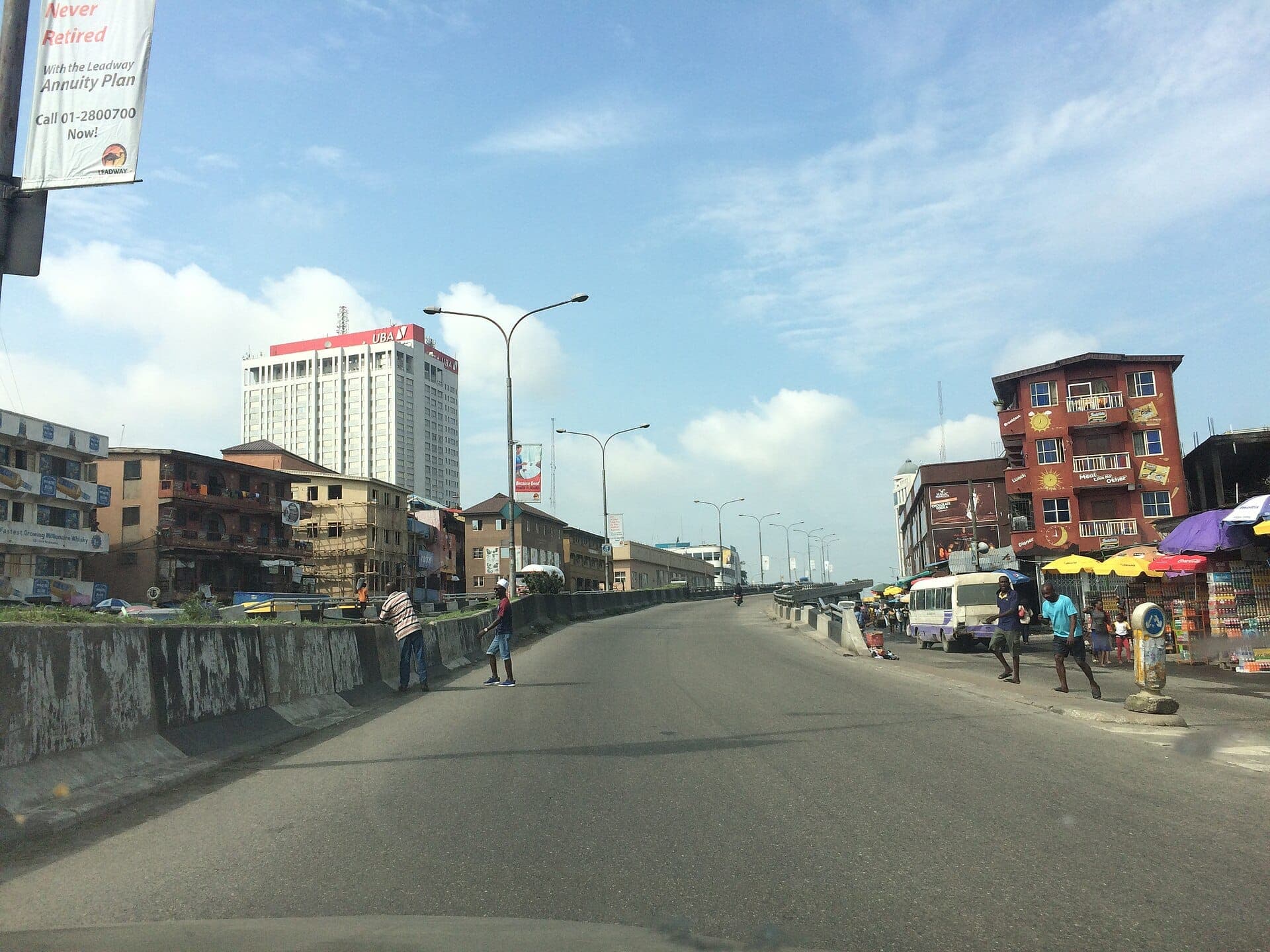
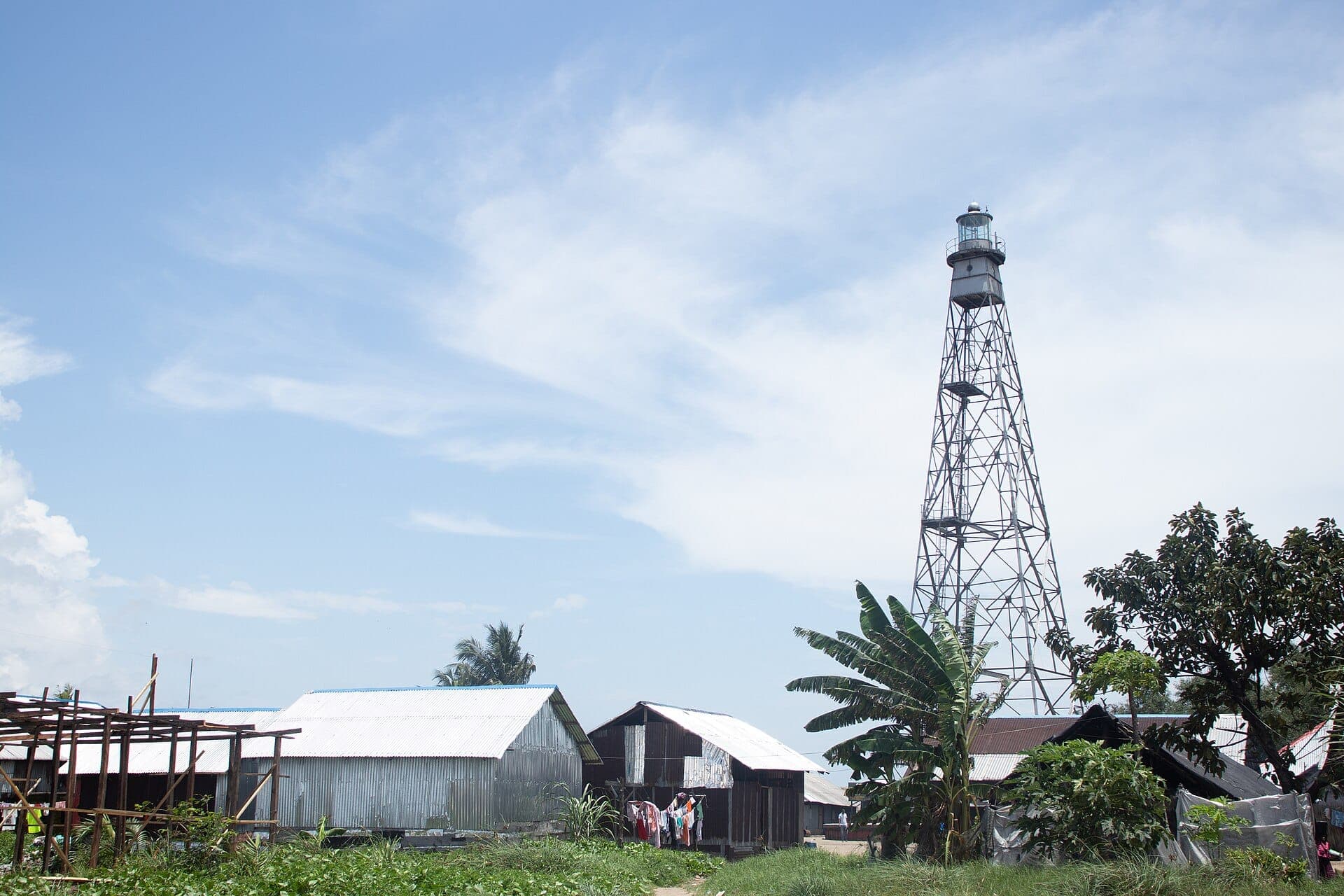
The Marina waterfront on Lagos Island.

Labseighttweentysix

08 / 14

Lagos

Lagos State, Nigeria

Nigeria's largest city, on the Atlantic coast, whose history as a port is connected to the Atlantic slave trade.

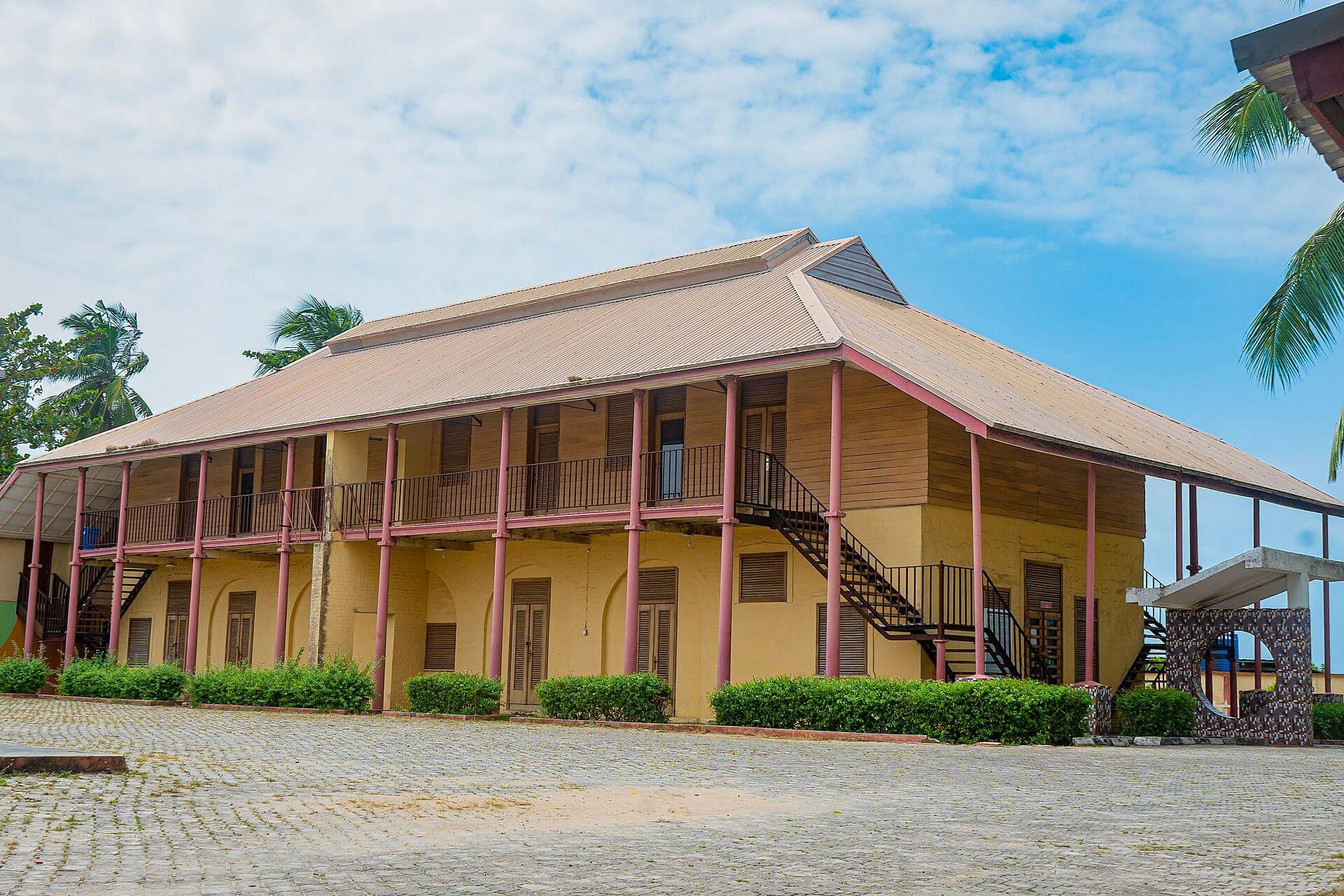
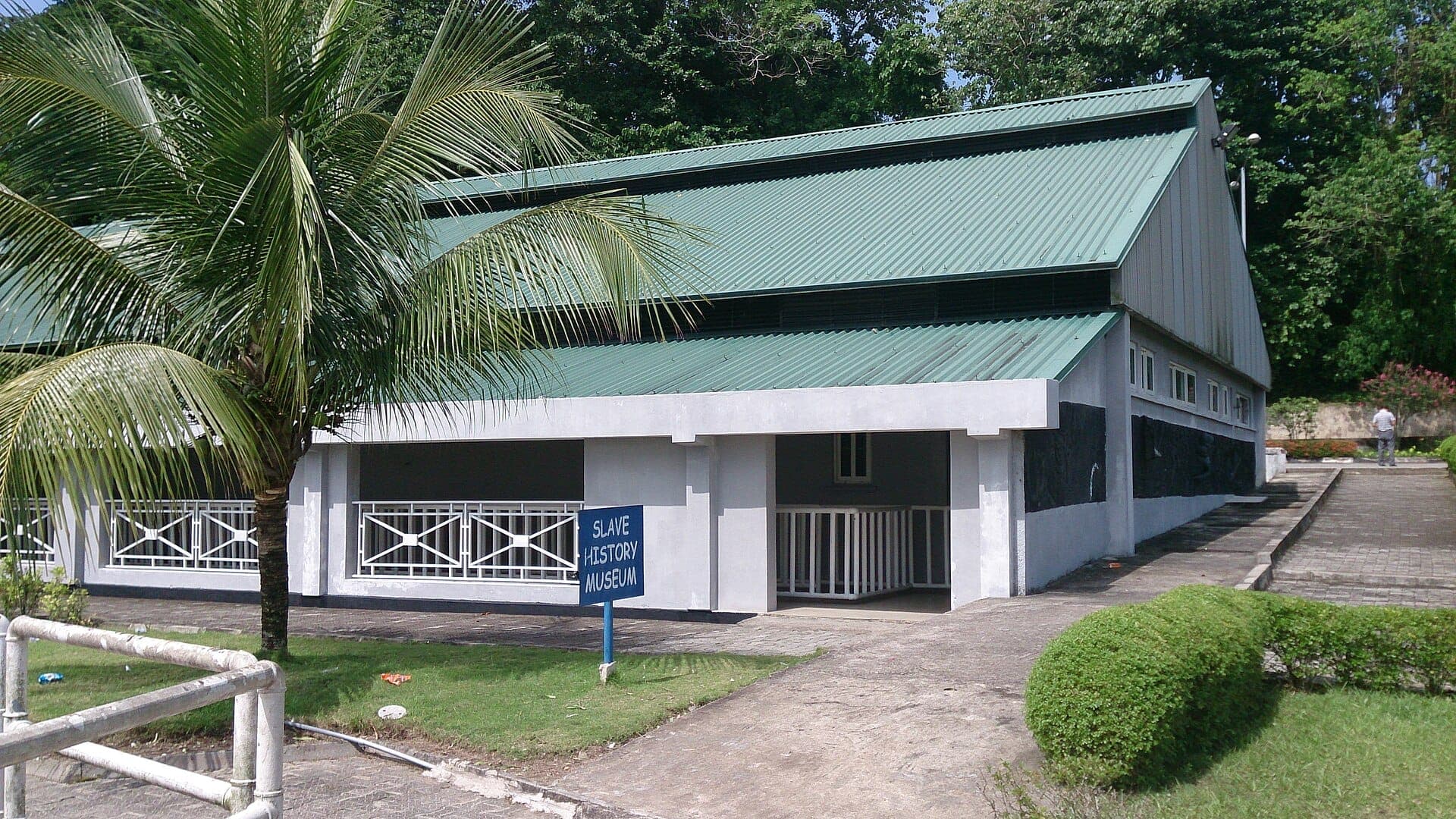
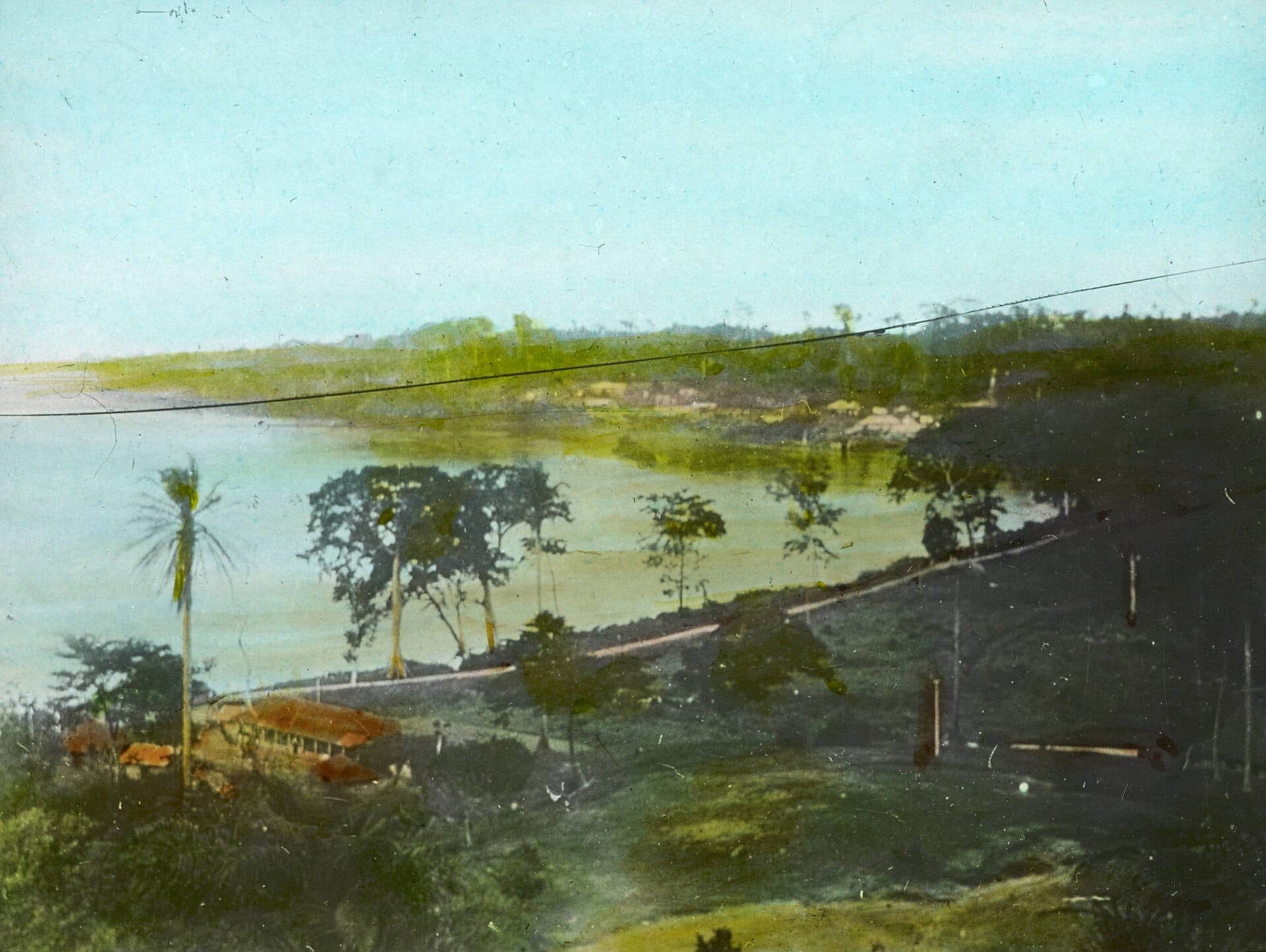
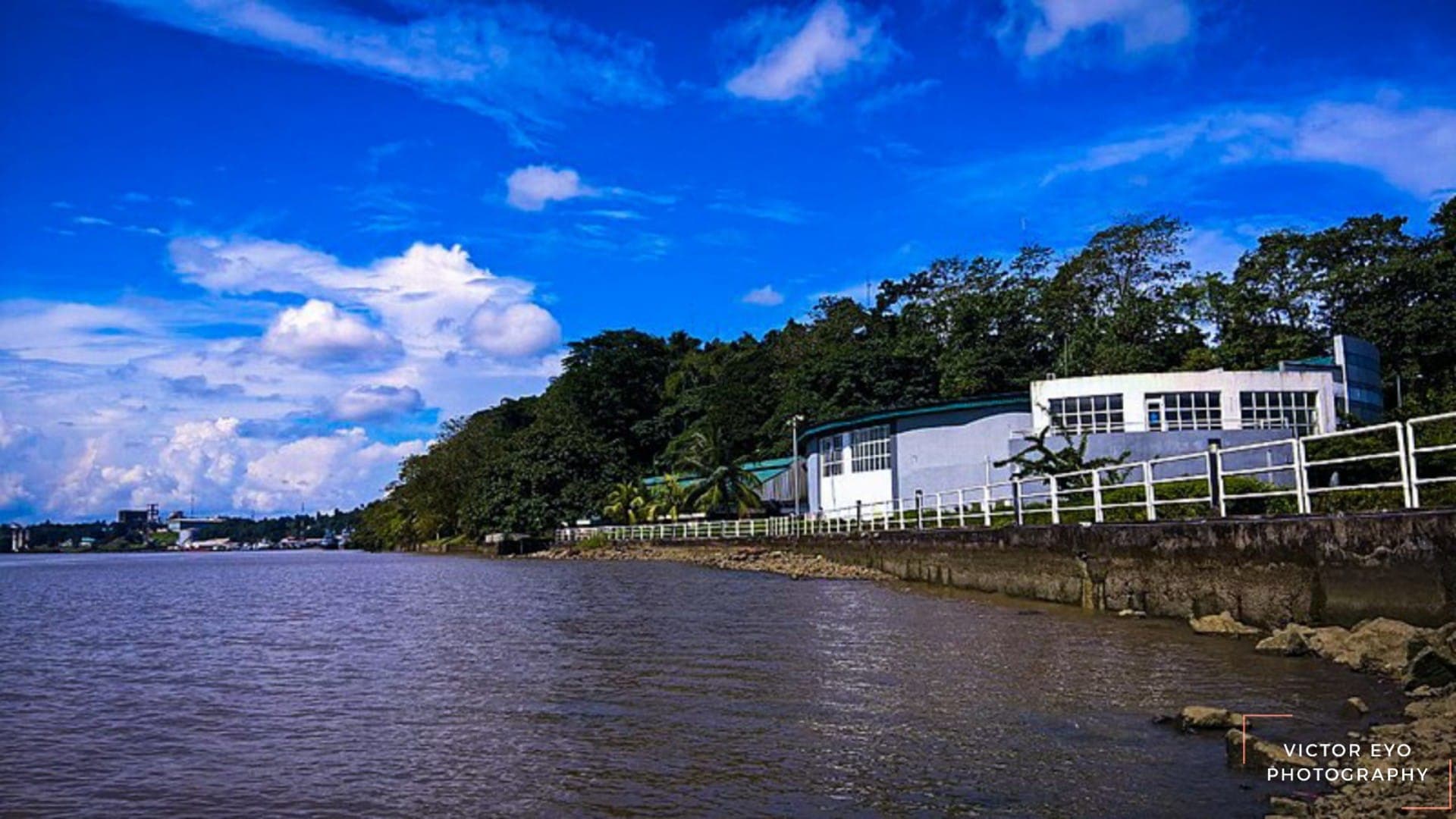
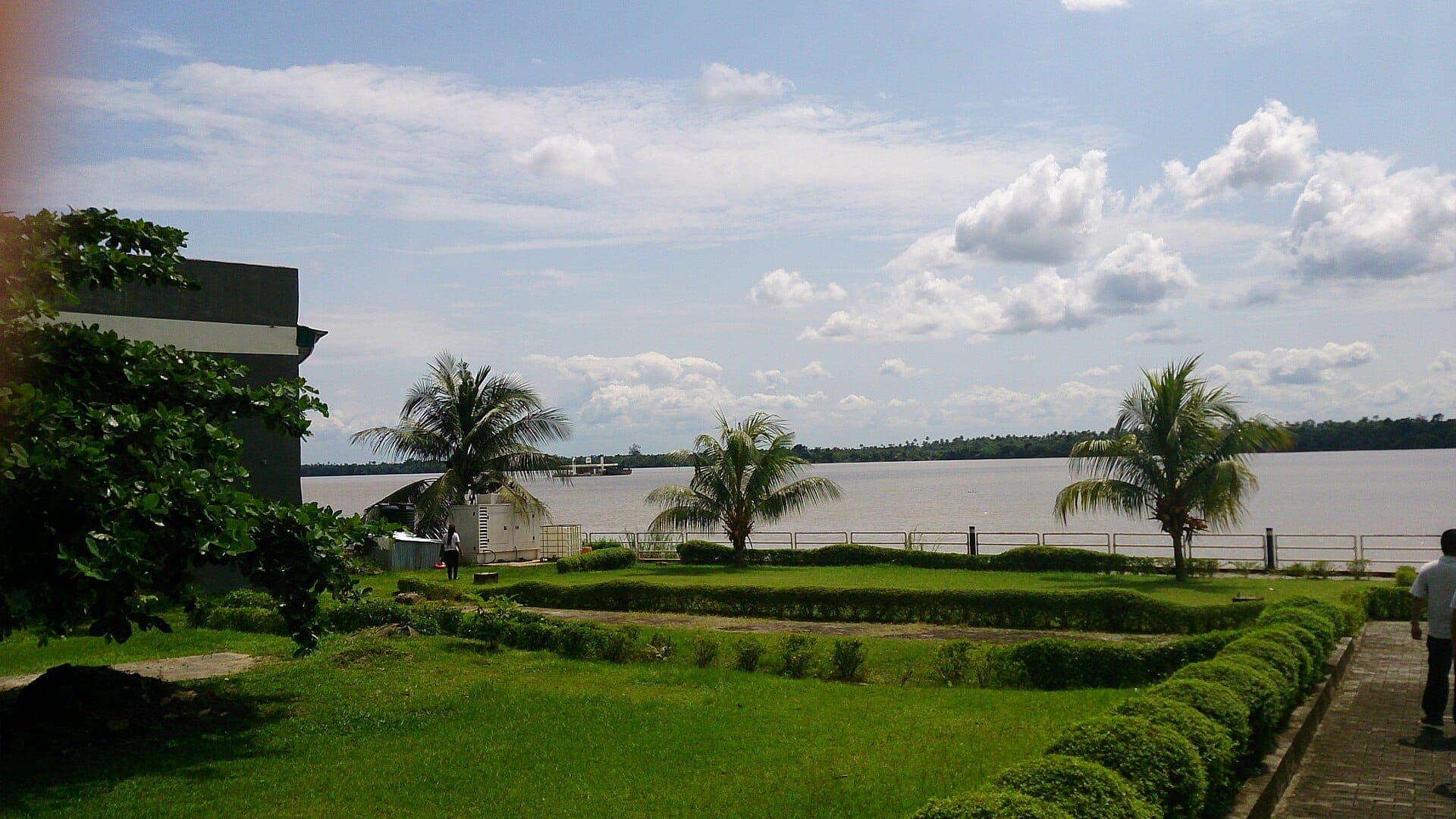
The Slave History Museum building in Duke Town, Calabar.

Labseighttweentysix

09 / 14

Calabar

Cross River State, Nigeria

A city in Cross River State, Nigeria, once a trading port, where the Slave History Museum preserves the memory of the trade.

Gallery 01 / 05

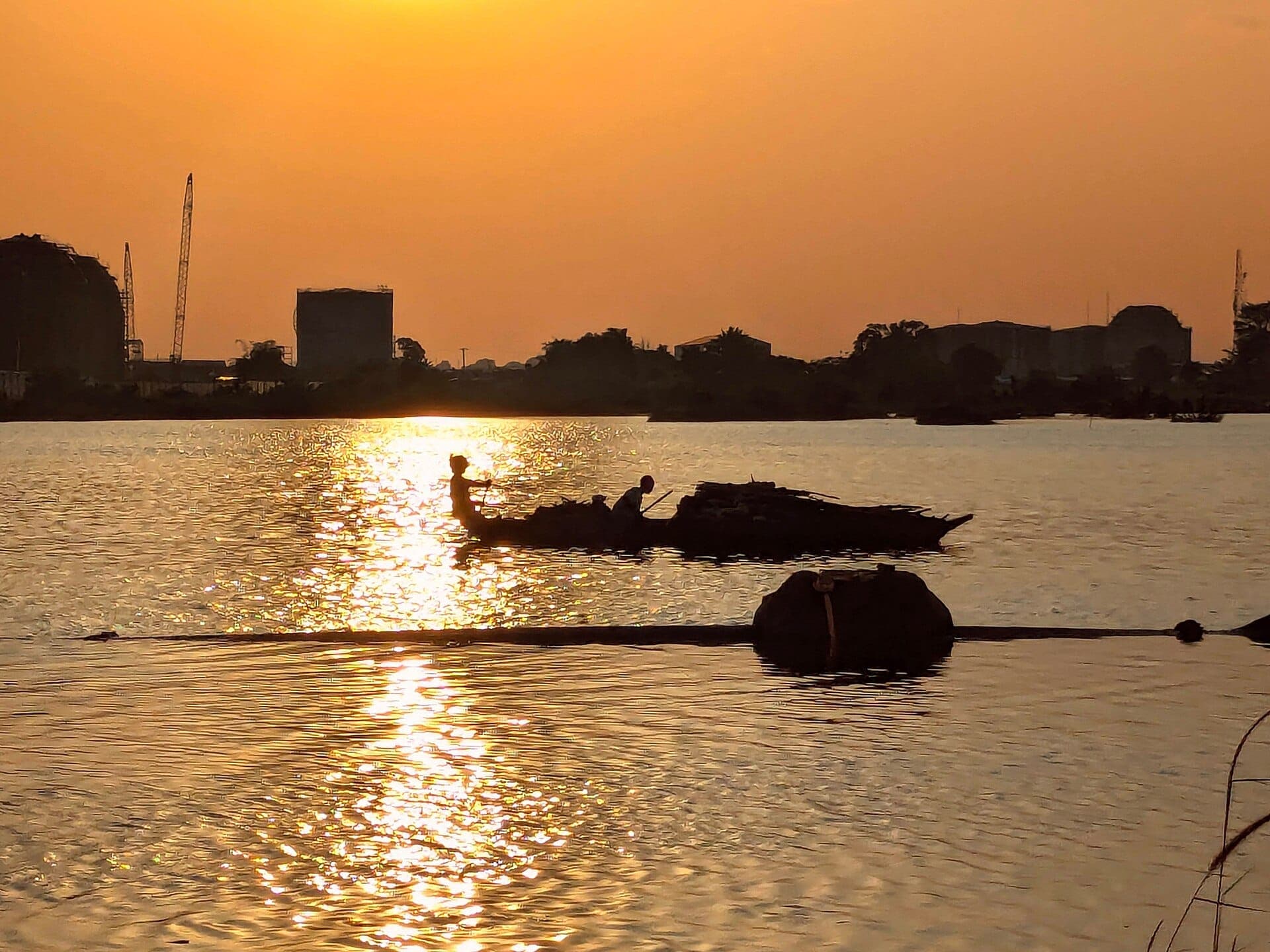
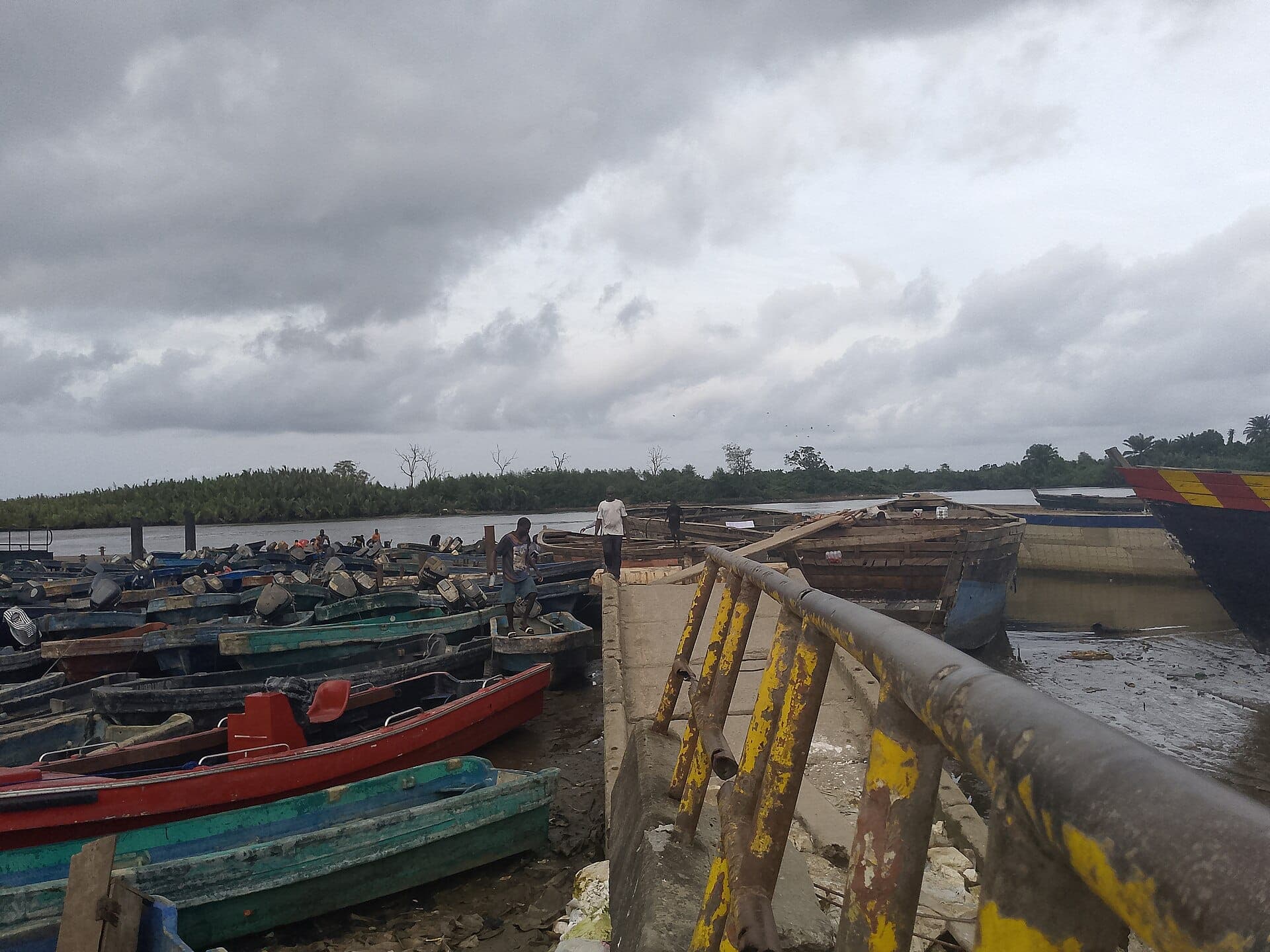
Sunset over the Bonny River.

Labseighttweentysix

10 / 14

Bonny

Rivers State, Nigeria

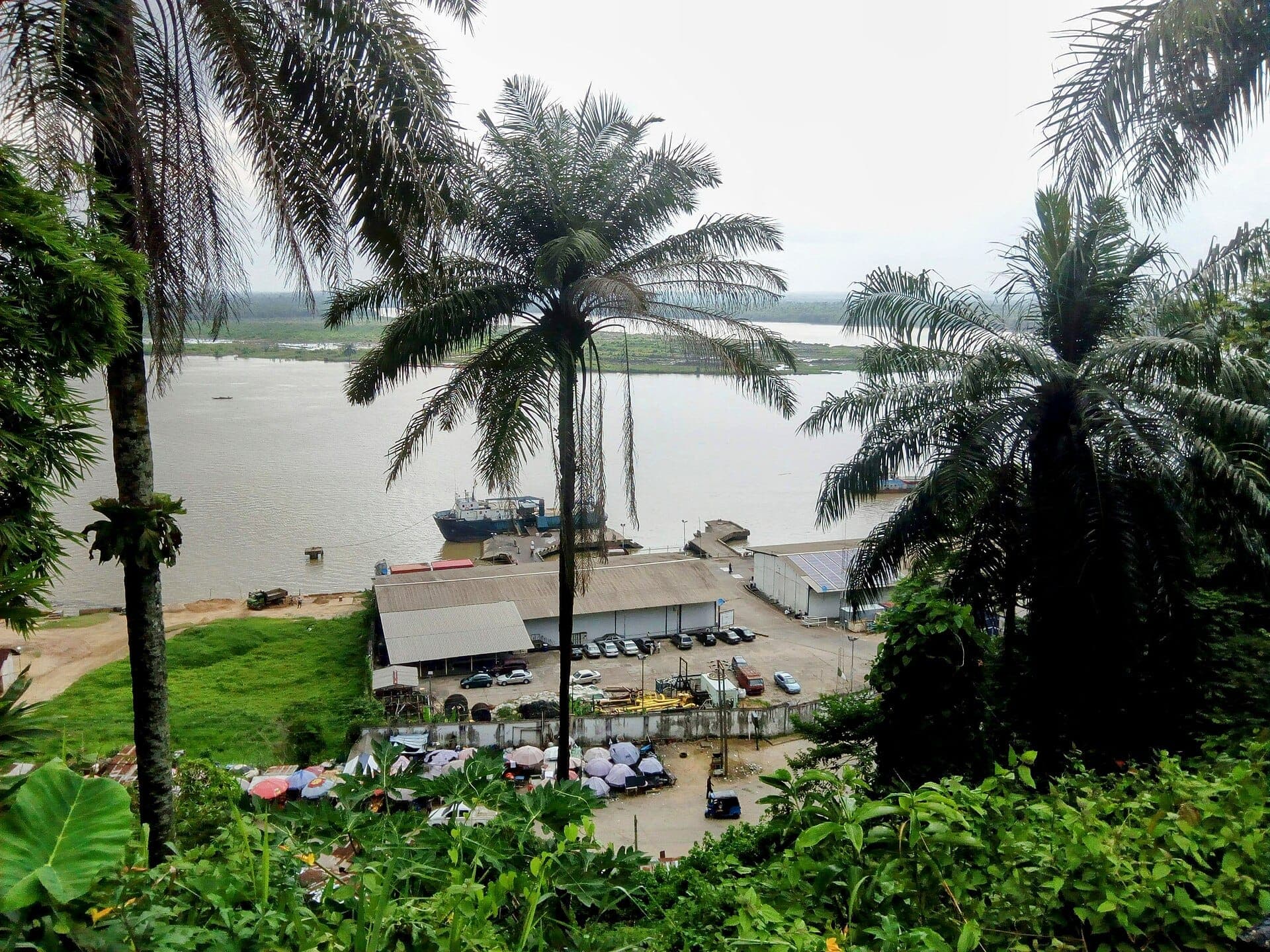
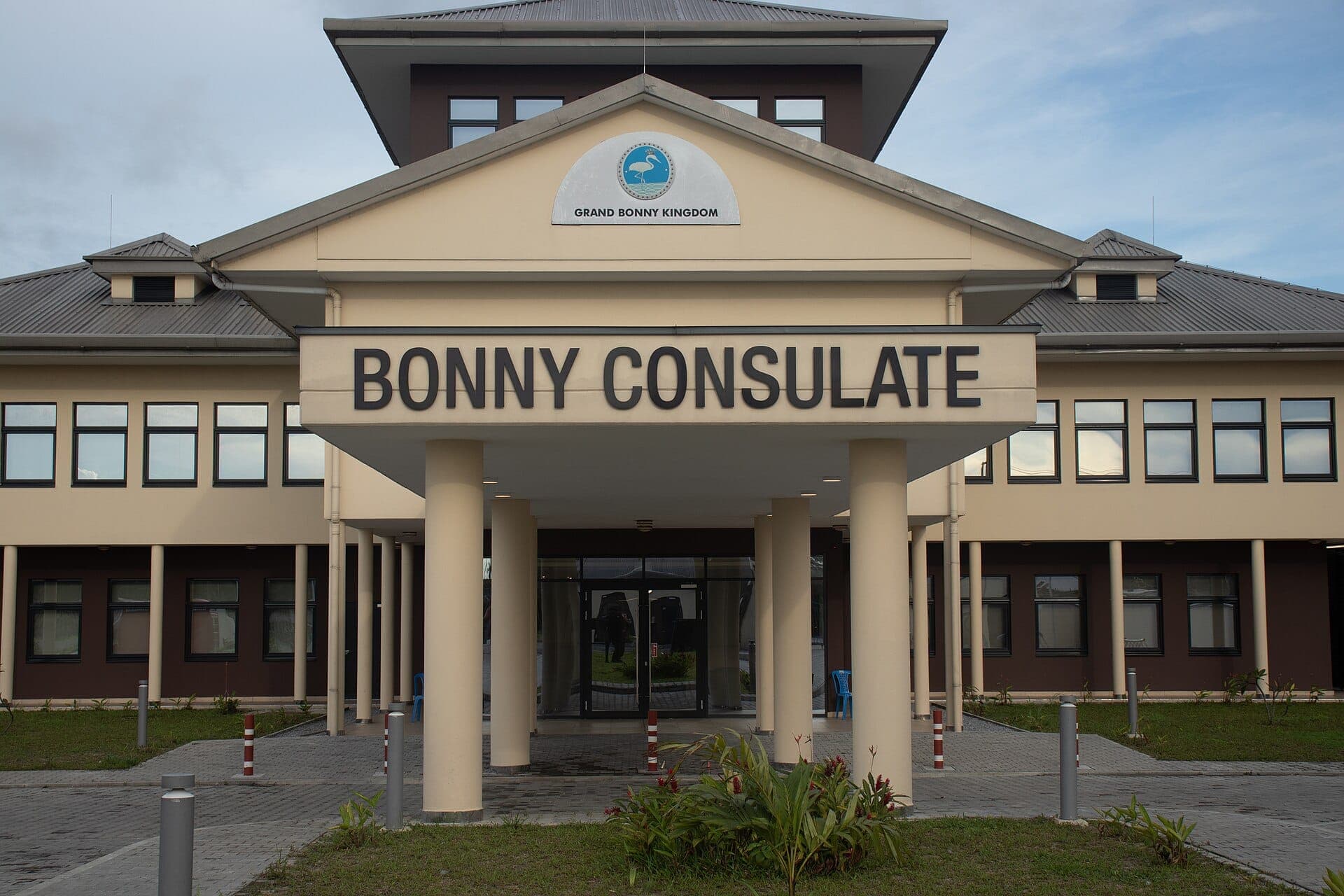
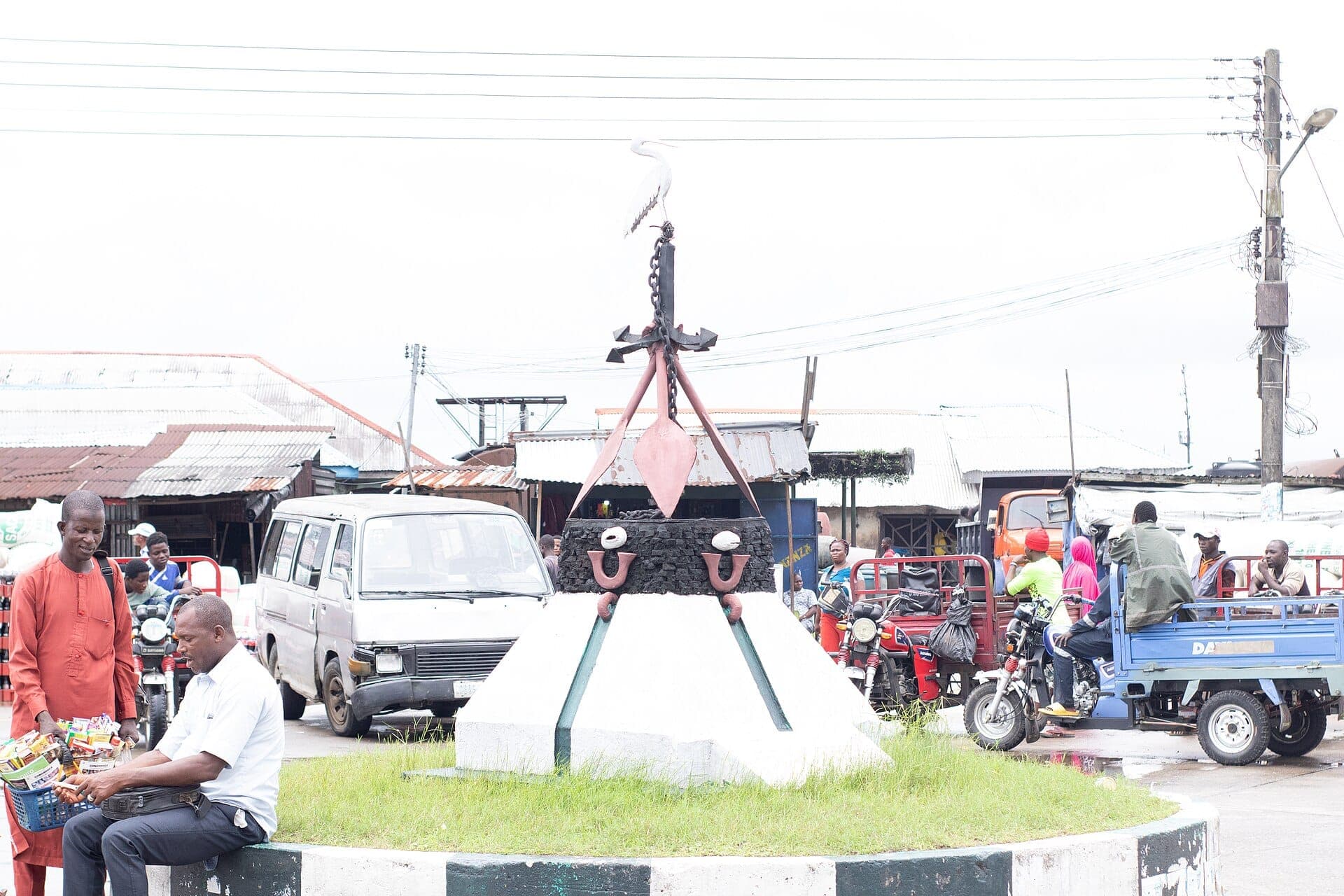
An island town in the Niger Delta, historically one of the major ports of the Atlantic slave trade in the Bight of Biafra.

Gallery 01 / 05

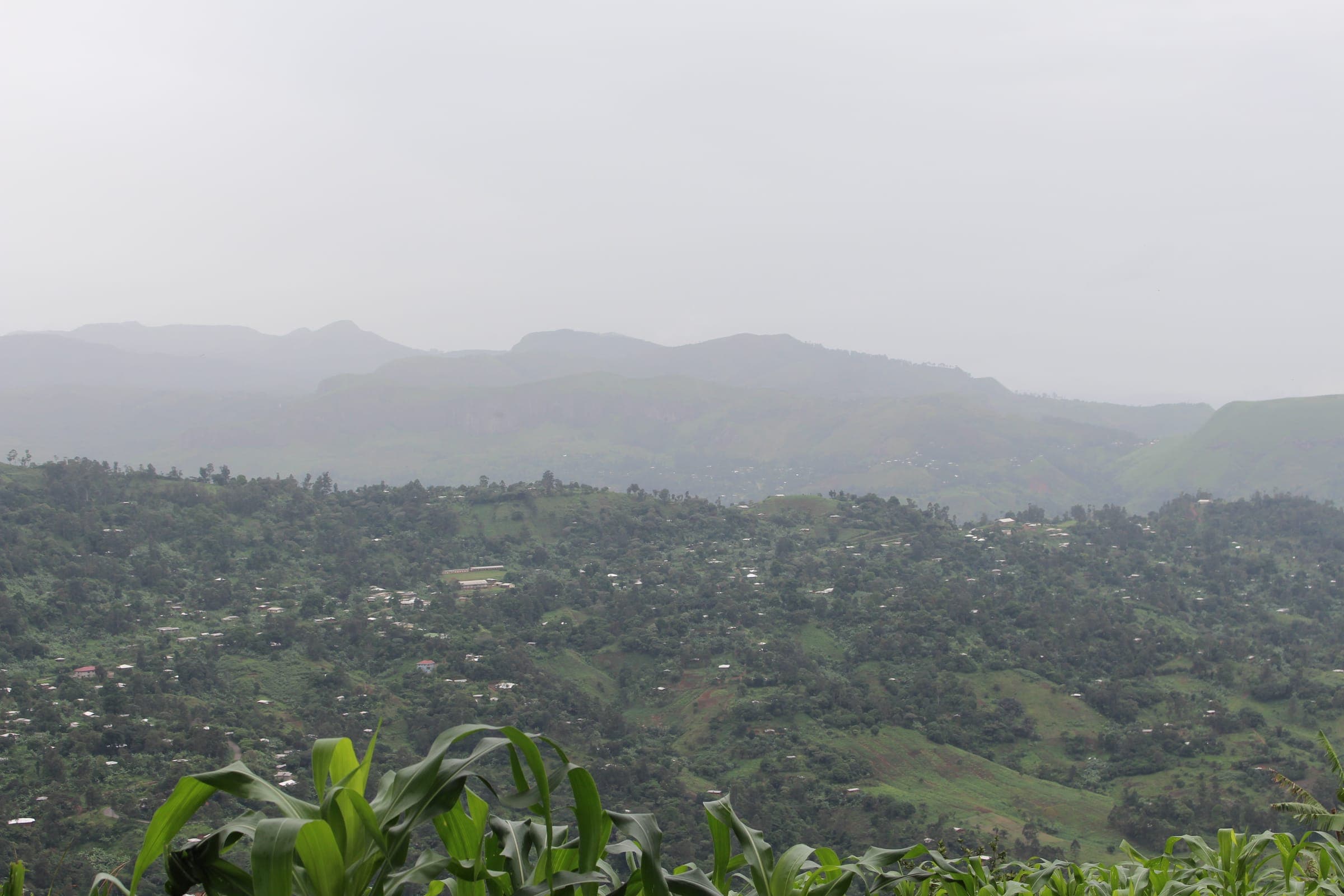
Green, misty hills in the Boyo area of Bamenda, Cameroon, looking down towards Njinikom.

Labseighttweentysix

11 / 14

Gone Forever

Present-day Bamenda, Cameroon

There is a story passed down about a craftsman from the area of present-day Bamenda, Cameroon.

A present-day landscape of the Bamenda region, shown for context. It does not depict the craftsman or the events described.

He left his hometown carrying the fruits of his hands, beautiful artworks he had made with patience, skill, and pride.

He journeyed toward present-day Benue State, Nigeria, hoping to sell his work and return home with something to show for his journey.

But he never returned.

Somewhere along the journey, he was captured by slave raiders and sold into a world he never chose.

Imagine the pain of his family waiting for him.

Perhaps his mother watched the road, expecting to see him coming home.

Perhaps his children asked, “When is Papa coming back?”

Perhaps his friends eventually stopped waiting.

But there was no farewell.

No final embrace.

No grave to visit.

No certainty about what happened to him.

He simply disappeared.

Taken from his homeland.

Taken from his family.

Taken from his name.

Taken from the life he had known.

And his story is not unique.

Stories like this abound across Africa.

Behind every slave-trade statistic was a person: a father, mother, son, daughter, craftsman, farmer, trader, student, or dreamer.

People who left home one morning believing they would return…

and were gone forever.

That is why places like Gorée, Ouidah, Badagry, Elmina and other historic sites must never be reduced to tourist attractions.

They are places where Africa remembers the people who were taken

and the families who waited in vain.

Behind every statistic was a person.

Someone had a name.

Someone had a mother.

Someone had a home.

Someone was waiting for them.

They were gone forever.

Sources

  • Oral tradition: A story passed down, as retold in the KUNTA KINTE project's writing.
The coast of Gorée Island, seen from the Atlantic Ocean.

Labseighttweentysix

12 / 14

The Wound That Never Fully Healed

Africa and the African diaspora

The slave trade did more than take millions of Africans from their homeland. It wounded a continent.

A present-day photograph, also shown in chapter 01, used here as a quiet backdrop. It does not depict the events described.

Pain

It emptied communities of young men and women. It separated children from parents, husbands from wives, brothers from sisters.

It disrupted societies, encouraged warfare and raiding in some regions, and redirected human lives toward a brutal economy built on the buying and selling of people.

But perhaps the greatest damage cannot be measured in numbers.

It was the dehumanization.

A human being became a commodity.

A name became a number.

A family became a transaction.

A person who had dreams, fears, talents, ancestors and a home could be reduced to something that could be bought, sold, transported and exploited.

And when generations of people are repeatedly told that they are inferior, that their bodies can be owned and their humanity can be denied, the psychological consequences do not simply disappear when the chains are removed.

The trauma can travel through generations.

It can live in the stories families tell or are afraid to tell.

It can appear in fractured identities, lost histories, broken connections to ancestral cultures and the painful question:

“What was taken from us that we never got back?”

The slave trade also helped create racial ideas that outlived the trade itself. Blackness was associated with inferiority and servitude, while systems of power were built around racial hierarchy.

Slavery ended.

But its consequences did not end on the same day.

Colonialism followed in many parts of Africa. Racism and discrimination continued across the Atlantic world. Economic inequalities, political instability and distorted representations of Africa and Black people have had histories intertwined with centuries of exploitation.

This does not mean that every hardship experienced by Black people today can simply be blamed on slavery.

History is more complicated than that.

But it would also be dishonest to pretend that centuries of forced migration, exploitation and racial dehumanization left no lasting consequences.

The wound has scars.

Memory

And perhaps that is why remembering matters.

Not to live forever in hatred.

Not to teach Black people that they are victims forever.

But to understand the past clearly enough to reclaim what was denied:

our names, our stories, our dignity, our history and our humanity.

Survival

The descendants of those who were carried away are still here.

The descendants of those who survived are still here.

The cultures they tried to erase are still here.

The languages are still spoken.

The drums still beat.

The children are still being born.

Resilience

And perhaps the greatest answer to a system designed to make African people disappear is this:

And we refuse to allow anyone to convince us that our history began with the chains.

Before the ships came, we were already people with civilizations, families, languages, dreams and names.

And after the ships left

we remained human.

Future

Remembering so we can build a different future.

Preserving the memory of the slave trade is not about keeping hatred alive. It is about refusing to allow history to disappear.

The first step is education.

Children should learn about slavery not merely as dates and statistics, but through the stories of the people who experienced it, their names, families, journeys, cultures, resistance and dreams.

We must preserve historical sites such as Gorée Island, Ouidah, Badagry, Elmina and Cape Coast, while protecting the archives, oral histories, artifacts and traditional stories connected to them.

And most importantly, we must tell the complete story, including the roles of European powers, African rulers and merchants who participated, and the countless Africans who resisted, escaped, protected others and fought against enslavement.

The descendants of those who suffered do not need to inherit hatred.

They need to inherit knowledge, dignity, courage and wisdom.

Because a people who remember their history are better equipped to protect their future.

We survived.

We remember.

We rebuild.

Sources

  • KUNTA KINTE writing: From the KUNTA KINTE project's writing on the legacy of the slave trade: “The wound that never fully healed” and “Remembering so we can build a different future”.
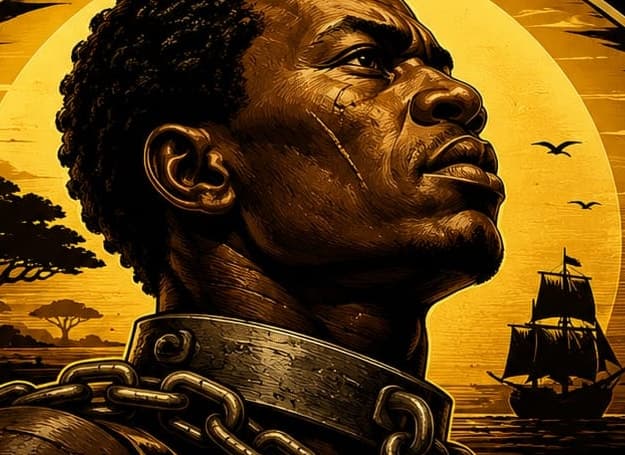
Illustration of a man in an iron collar looking toward the horizon at sunset, with an acacia tree and a sailing ship behind him.

Labseighttweentysix

13 / 14

Kunta Kinte

Juffure, The Gambia, as told in Roots

The name that would not die. As told in Alex Haley's Roots, this is the story of a young man taken from his home, who refused to let go of his name.

  • Homeland
  • Identity
  • Family
  • Resistance
  • Memory
  • Dignity
  • Resilience

Homeland

He was young. Brave. Strong. Full of life.

One day, he left his home in The Gambia and walked into the bush to gather wood. He wanted to bring the wood home and use it to make a drum: a drum that would carry the rhythm of his people, the heartbeat of his village, the music of his ancestors.

He never came home.

Identity

He was eventually forced across the Atlantic and taken to America, where he was enslaved. They could take his freedom. They could not take his name.

When his captors gave him another name, he refused it.

“My name is Kunta Kinte.”

Family

They asked him who his mother was.

“Binta.”

Two names. A son. A mother. An entire world contained in the memory of one man.

Resistance

He tried to escape. Not once. Not twice. Again and again.

Each attempt brought punishment, but each attempt revealed something extraordinary:

The body could be imprisoned. The spirit could still rebel.

Memory

He collected small pebbles. Day after day, he counted. Each stone became a silent reminder that time was passing, and that somewhere beyond those walls existed the life that had been stolen from him.

He remembered his village. He remembered his mother. He remembered the sound of his own name.

And he refused to forget.

Dignity

Sometimes, resistance is not holding a weapon.

Sometimes, resistance is simply refusing to answer when they call you by a name that is not yours.

Resilience

They took the man across the ocean. They tried to take his freedom. They tried to take his identity. But they could not take his memory.

KUNTA KINTE. A name that refused to die.

Exhibit

Kunta Kinte

Kunta Kinte's story, as immortalized in Alex Haley's Roots and the later television adaptations, became a powerful symbol of the millions of Africans whose names, families, languages, and identities were violently attacked by slavery.

An artistic interpretation from the project's emblem, not a historical image.

Location
As told in Roots
Period
To be confirmed
Category
Story
Image
Artwork from the KUNTA KINTE emblem

Sources

  • Roots (novel and adaptations): Alex Haley, Roots: The Saga of an American Family (1976), and its television adaptations. Kunta Kinte is presented in Roots as an ancestor of Alex Haley; historians have debated how far the specific genealogy and details can be independently verified.
Archive image to be added

Labseighttweentysix

14 / 14

Memory & Resilience

Africa and the African diaspora

Slavery ended. But its consequences did not end on the same day.

Why we remember

Not to live forever in hatred. Not to teach Black people that they are victims forever. But to understand the past clearly enough to reclaim what was denied:

Our names, our stories, our dignity, our history and our humanity.

Still here

The descendants of those who were carried away are still here. The cultures they tried to erase are still here. The languages are still spoken. The drums still beat. The children are still being born.

We survived. We remember. We rebuild.

Before the chains

We refuse to allow anyone to convince us that our history began with the chains.

Before the ships came, we were already people with civilizations, families, languages, dreams and names.

Exhibit

Memory & Resilience

Exhibit text to be supplied by the KUNTA KINTE team, with sources.

Location
Africa and the African diaspora
Period
To be confirmed
Category
Reflection
Image
Image and credit to be supplied

Sources

  • KUNTA KINTE writing: From the KUNTA KINTE project's writing on the legacy of the slave trade.

01 / 14Gorée Island

Labseighttweentysix · Chapters

Reflect

We remember those who were taken. Those who resisted. Those who never came home.

And let us teach the next generation, not only what happened, but why it must never happen again.